

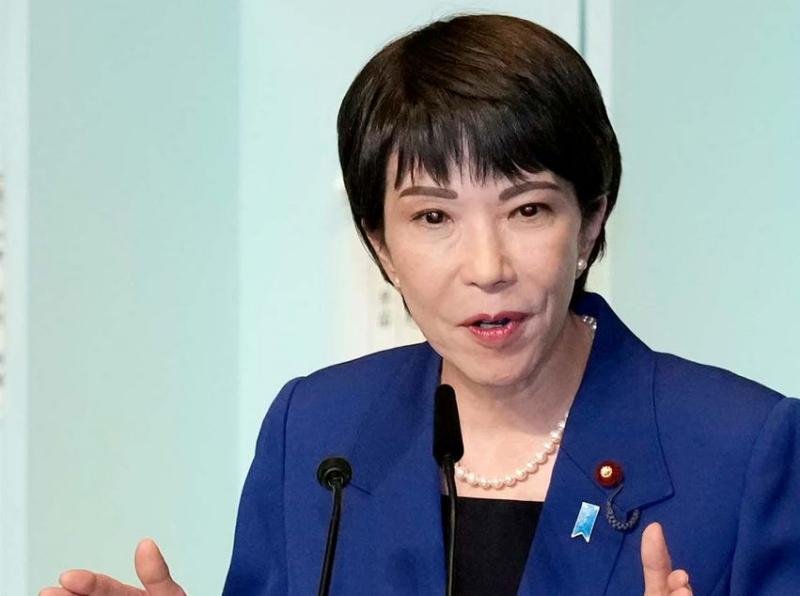

Tokyo. Along with the new government, new challenges are also visible in Japan. The recently concluded general elections in Japan have not only added a new chapter to the country’s politics, but have also exposed Japan’s hidden economic weaknesses at the global level. Liberal Democratic Party leader Sanae Takachi has won a landslide victory in these elections by capturing a historic 75.7 percent seats. This is the largest mandate received by any Japanese leader since the Second World War. However, as grand as this victory is, the economic challenges facing the new government are equally formidable. Till now the world has seen Japan only as an economic role model and a bastion of technology, but this election and its subsequent announcements have presented a very backward and troubled picture of the economy there.
If we look at historical data, after the end of the Second World War, Japan emerged as a global economic superpower between 1960 and 1980. Till the 90s, Japan’s GDP growth was much faster than that of the G-7 countries, but after that the pressure on the economy started increasing. While Japan’s growth rate was between 16.4 percent and 17.9 percent between the 60s and 80s, it has fallen to minus 2.4 percent between 2010 and 2024. That means Japan is currently going through a serious recession.
Japan is currently facing a situation like a well in front and a ditch behind. On one hand the GDP growth rate is negative, while on the other hand the burden of government debt has reached an alarming level of 230 per cent of GDP. This is the result of decades of deficit spending. Newly elected Prime Minister Sanae Takachi has announced reducing additional expenses and cutting taxes among his election promises. After this announcement, there is a huge stir in the bond market of Japan and the bond yield has reached a record level of 3.56 percent. Experts are considering this as the beginning of a debt crisis for Japan, which can pose a risk to the entire global economy.
The weakness of the Japanese currency Yen has also increased the problems of the government. The yen is currently at a multi-year low against the dollar. Due to increase in interest rates, imports have become expensive due to which inflation in the domestic market has increased rapidly. The ongoing tariff war with the US has hurt exports and weakened foreign investment. In these circumstances, now everyone’s eyes are on the upcoming monetary policies of the Bank of Japan. Prime Minister Takachi has promised to take major steps to provide relief to the poor and low income groups. In this direction, he has decided to abolish 8 percent consumption tax on food products for two years. This will reduce the cost of food for poor families and is expected to improve their living standards. Apart from this, there is also a preparation to increase the scope of tax exemption to increase the savings of low income group. Now it remains to be seen how Takachi, who came to power with a huge majority, is able to get Japan out of this terrible economic crisis.