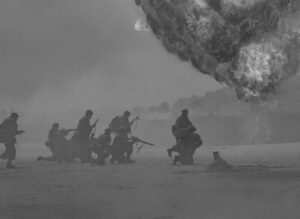

The ongoing Iran conflict has moved decisively into the digital realm, as cyber attacks escalate between United States, Israel, and Iran. Critical infrastructure, including energy grids, government systems, and communication networks, has reportedly been targeted in a series of sophisticated cyber strikes.
U.S. and Israeli cybersecurity agencies confirm that Iran-linked hacker groups have increased attempts to disrupt key services, while Tehran claims it is retaliating against American and Israeli digital operations. Experts warn that the cyber front is rapidly becoming a central battlefield, with the potential for long-term consequences far beyond traditional warfare.
“The digital domain is now as crucial as air or sea power,” said a cybersecurity analyst. “Disrupting energy or transportation systems could have immediate, real-world effects.”
Global monitoring firms report spikes in attempted breaches against industrial control systems in the Gulf region, highlighting the increasing overlap between conventional conflict and cyber operations.
🛰️ Iranian Hackers Breach Security Cameras in Israel – Report
According to recent intelligence reports, Iranian hackers have successfully infiltrated thousands of security cameras across Israel. The breach, described as a “major surveillance operation,” has raised alarm over the ability of adversaries to gain real-time visual intelligence on Israeli urban areas, military installations, and transportation hubs.
Authorities in Israel are scrambling to secure networks and assess the scale of the breach. While no physical attacks have been linked to this cyber intrusion yet, officials warn that compromised surveillance could aid future military or terrorist operations.
Cybersecurity experts highlight that this incident demonstrates a shift toward multi-domain warfare, where digital infiltration complements conventional military strikes.
🔑 Digital Warfare Becomes Key Front in Modern Iran Conflict
Analysts increasingly describe the Iran war as “a hybrid conflict,” with cyber warfare emerging as a decisive front alongside traditional airstrikes and ground operations. Both sides are reportedly deploying offensive and defensive capabilities to disrupt communications, monitor troop movements, and interfere with energy infrastructure.
“This conflict is as much about data and control of information as it is about bombs and missiles,” said a Middle East security expert. “Digital operations can have immediate strategic effects without a single shot fired.”
Governments worldwide are monitoring these developments, recognizing that escalating cyber hostilities could spill beyond the Middle East, affecting global energy, finance, and technology sectors.
🌐 China Steps In as Peacemaker in Iran War – Can It Succeed?
China has emerged as a potential peacemaker in the Iran conflict, proposing diplomatic initiatives aimed at de-escalating tensions and reopening critical trade routes like the Strait of Hormuz. Beijing is reportedly engaging with Iran, the United States, and regional stakeholders, advocating for a multilateral ceasefire and monitored shipping corridors.
Experts suggest China’s influence could be significant, given its close economic ties with Iran and growing diplomatic leverage in the Middle East. However, analysts caution that success depends on the willingness of all parties, particularly the U.S. and Israel, to compromise and engage in meaningful talks.
🇪🇺 Europe Pushes Back Against US Military Strategy in Iran Conflict
European nations, led by Germany, France, and Italy, have voiced opposition to U.S.-led military strategies in the Iran conflict. Officials argue that escalation risks destabilizing the region further and increasing civilian casualties, urging a shift toward diplomacy and coordinated multilateral solutions.
European leaders are also warning that continued conflict could trigger wider economic and energy crises, particularly affecting oil-dependent nations. The pushback highlights the growing rift between the U.S. approach and European priorities in managing the Middle East crisis.
Google News ai