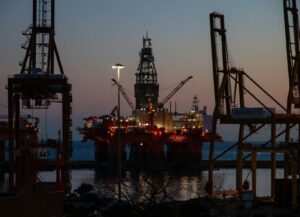

Global crude oil markets are once again in the spotlight as oil prices climbed above $100 per barrel, driven by escalating conflict in the Middle East involving the United States, Israel and Iran. The surge represents one of the most dramatic energy market moves of 2026, with wide‑ranging consequences for global markets, inflation expectations and geopolitical risk assessments.
📈 Historic Price Moves Amid Geopolitical Tension
Oil prices have seen a sharp rally in late March 2026, marking significant milestones:
- **Brent crude futures climbed above $112 per barrel and briefly near $116–120, a record monthly surge not seen since early 2022.
- **U.S. West Texas Intermediate (WTI) settled above $100 per barrel for the first time in years amid supply risk concerns.
Analysts note this spike reflects more than normal market movements; it is tied directly to continued disruption in supply routes—especially the Strait of Hormuz, which historically channels about 20 % of global seaborne oil.
📊 What’s Driving the Price Surge?
| Factor | Impact on Oil Markets |
|---|---|
| Escalating Iran conflict | Heightens risk premium on crude |
| Houthi attacks widen war scope | Disrupts Red Sea and Gulf supply chains |
| Strait of Hormuz supply constraint | Chokes off critical export flows |
| Record monthly gains | Brent crude up ~60 % in March |
| Trader uncertainly & risk premium | Oil markets grow volatile |
The expansion of hostilities — including attacks by Iran‑aligned groups and military responses — has intensified market fears of prolonged supply constraints, forcing traders to price in an elevated geopolitical risk premium.
📉 Broader Economic Ripples
Energy markets are closely tied to broader economic indicators, and the oil surge is already affecting:
- Inflation expectations: Higher crude costs are contributing to rising consumer fuel prices and wider inflation pressures in key economies.
- Stock markets: Global equities have weakened as investors reassess growth projections in light of costly energy inputs and slowing demand.
- Bond markets: Yields on global bonds have climbed, reflecting risks that persistent higher energy prices could anchor inflation.
- Market forecasts: Major analysts have raised their oil price outlooks for 2026, signaling that elevated prices could persist if geopolitical risks remain unresolved.
Central banks are also wary of these pressures, weighing impacts on inflation and growth as they adjust monetary policy assumptions in the face of energy‑driven volatility.
🌍 Global Significance
The oil price surge underscores the interconnectedness of geopolitics and energy markets. Even if supply disruptions remain localized to the Middle East, the global nature of oil trade means ripple effects reach far beyond the region — from fuel costs and transportation prices to industrial inputs and consumer inflation worldwide.
Investors and policymakers are now watching closely to see whether continued hostilities push prices higher still or whether diplomatic efforts can stem further escalation.
Bottom Line: Oil’s return above $100 per barrel reflects heightened geopolitical risk tied to the Iran conflict, deepening supply concerns and creating broad economic uncertainty—from inflationary pressures to volatile financial markets.