

Samsung’s strategy of “Ultra-fication” has reached a historic milestone. New market data for Q1 2026 reveals that the Galaxy S26 Ultra alone accounts for a staggering 70% of all Galaxy S-series sales globally. This shift signals a massive consumer preference for high-end “everything” devices over the standard and Plus models, which have seen a steady decline in shipment share.
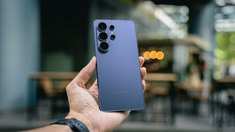
The “Ultra” Standard
The S26 Ultra’s dominance is attributed to exclusive hardware features that Samsung has intentionally kept away from the base models to drive premium conversion. The 2026 flagship introduced the world’s first built-in Privacy Display, a breakthrough that allows users to limit the screen’s viewing range to prevent prying eyes from seeing sensitive data. This feature, coupled with the Snapdragon 8 Elite Gen 5 Mobile Platform for Galaxy, has made the Ultra the go-to choice for both power users and corporate professionals.
Beyond internal specs, the Ultra remains the only model to support the improved S-Pen, which now features near-zero latency and integrated AI gestures for productivity. The camera system also received a significant boost with Nightography Video and the upgraded Photo Assist, which allows users to edit images by simply describing the desired changes in plain language.
Market Dynamics and Pricing
Analysts from firms like Omdia and Counterpoint suggest that the price-to-value gap has widened. Consumers are increasingly willing to finance a $1,299.99 powerhouse rather than paying for a standard model that feels like an incremental update. This “premium push” has helped Samsung reclaim the top spot in global smartphone shipments for Q1 2026, securing a 22% market share and edging out Apple’s 20%.
While the base S26 and S26+ are performing steadily, they are effectively filling shelf space while the Ultra does the heavy lifting for the brand’s profitability. As global shipment numbers face pressure from rising component costs, Samsung’s ability to sell its most expensive model at record volumes is a masterclass in brand loyalty and hardware differentiation. The message from the market is clear: if it isn’t Ultra, it isn’t enough.


