
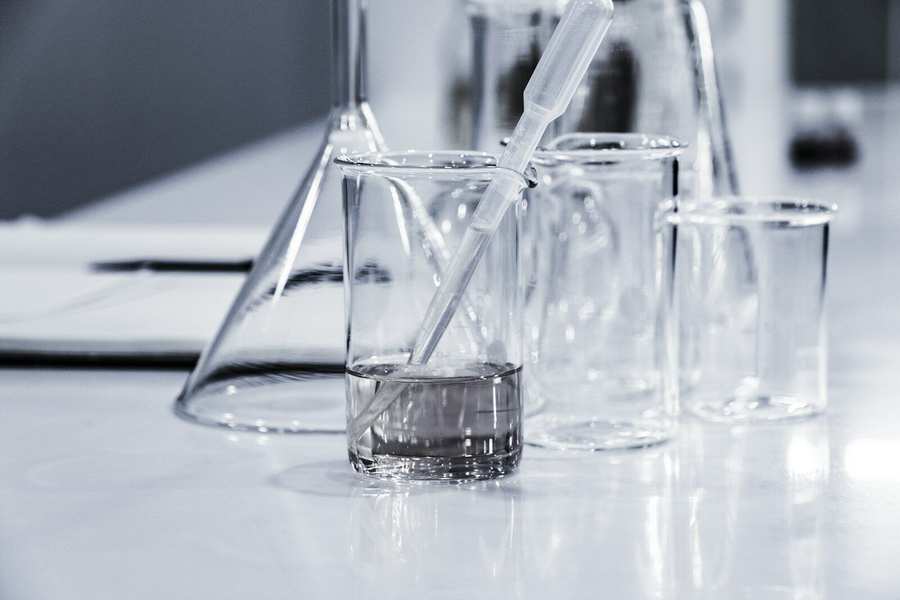
A new scientific concern is emerging in the field of Environmental Science, as researchers warn that common laboratory gloves may be contaminating microplastics studies, potentially leading to inaccurate results.
🔬 The Hidden Source of Contamination
Microplastics—tiny plastic particles found in water, air, and even human bodies—have become a major focus of global research. However, scientists now believe that protective gloves used in labs could be unintentionally introducing plastic particles into samples.
Most lab gloves are made from synthetic materials like nitrile or latex blends, which can shed microscopic fragments during handling. These fragments may then be misidentified as environmental microplastics.
⚠️ Why This Is a Big Problem
Accurate measurement is crucial when studying Microplastics. If contamination occurs:
- Research findings may overestimate pollution levels
- Data comparisons between studies become unreliable
- Policy decisions based on flawed data could be misguided
This issue raises concerns about the validity of some past research results.
🧪 How Researchers Discovered It
Scientists conducting controlled experiments noticed unexpected plastic particles appearing even in clean test environments. Further investigation revealed that:
- Gloves released microscopic fibers and fragments
- Friction during sample handling increased contamination
- Even minimal contact could affect sensitive measurements
📊 Key Findings from Recent Studies
| Factor | Impact on Results |
|---|---|
| Glove Material | Nitrile gloves shed more particles under stress |
| Handling Time | Longer contact increases contamination risk |
| Sample Type | Water and air samples are most affected |
| Lab Conditions | Static electricity can attract particles |
🔍 What Scientists Recommend
To improve accuracy, experts are now suggesting stricter lab protocols:
- Use low-shedding or powder-free gloves
- Minimize direct contact with samples
- Implement blank control tests to detect contamination
- Work in clean-air environments when possible
Some labs are even exploring non-plastic alternatives or specialized coatings for gloves.
🌍 Global Impact on Research
Microplastics research influences environmental policies worldwide. Countries and organizations rely on this data to:
- Regulate plastic production
- Develop waste management strategies
- Assess human health risks
If contamination is widespread, it could mean global microplastic levels need reassessment.
🧠 Expert Perspective
Scientists emphasize that this discovery doesn’t invalidate all previous research—but it does highlight the need for better standardization and stricter controls in future studies.
🔮 What Comes Next?
Research teams are now:
- Re-evaluating past experiments
- Developing contamination-free testing methods
- Creating international guidelines for microplastics studies
This finding serves as a reminder that even the smallest oversight in scientific methods can lead to significant implications—especially when studying something as tiny and widespread as microplastics.