
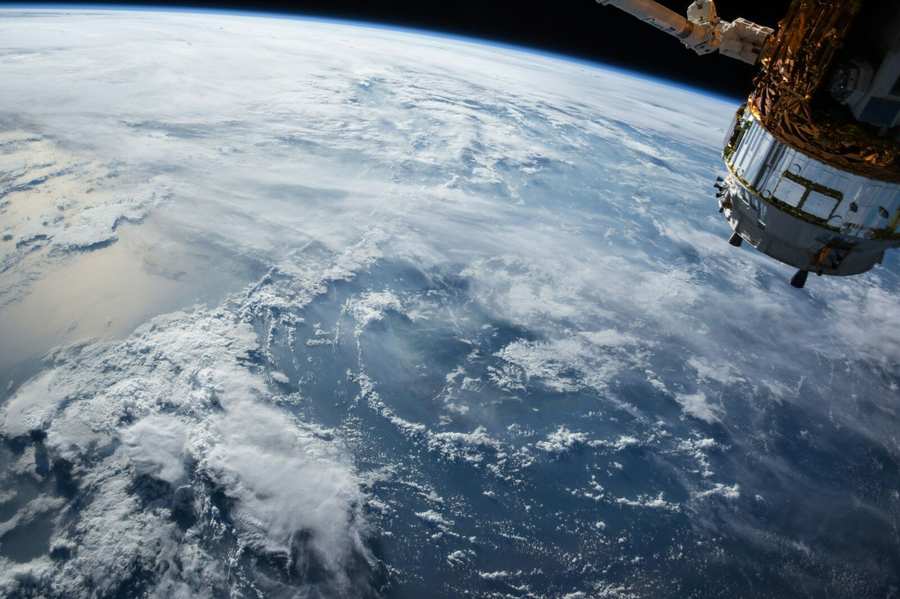
The world is on the brink of witnessing a historic return to deep space as NASA prepares for the launch of its groundbreaking Artemis II mission—the first crewed journey toward the Moon in over 50 years. With final preparations underway, the countdown has officially begun for what could become one of the most significant space missions of the 21st century.
🌕 A Giant Leap After Half a Century
Scheduled for launch in early April 2026, Artemis II will mark humanity’s first crewed mission beyond low Earth orbit since the Apollo era. The mission is expected to lift off aboard the powerful Space Launch System rocket from Kennedy Space Center, carrying astronauts on a 10-day journey around the Moon.
Unlike the historic Apollo landings, Artemis II will not touch down on the lunar surface. Instead, it will perform a lunar flyby, testing critical systems needed for future missions that aim to land astronauts on the Moon again.
👩🚀 Meet the Artemis II Crew
The mission features a diverse international team of four astronauts:
| Astronaut | Role | Country |
|---|---|---|
| Reid Wiseman | Commander | USA |
| Victor Glover | Pilot | USA |
| Christina Koch | Mission Specialist | USA |
| Jeremy Hansen | Mission Specialist | Canada |
This mission is historic not just for its destination, but also for its representation—featuring the first woman, first person of color, and first non-American astronaut on a lunar mission.
🛰️ Mission Objectives: Testing the Future
Artemis II is a crucial stepping stone in the broader Artemis program. Key objectives include:
- Testing life-support systems in deep space
- Evaluating navigation and communication technologies
- Demonstrating crew safety during high-speed reentry
- Preparing for future lunar landings (Artemis III and beyond)
The spacecraft, Orion spacecraft, will travel thousands of kilometers beyond the Moon before returning to Earth at speeds of nearly 40,000 km/h.
🔧 Overcoming Challenges Before Launch
The mission faced minor delays earlier in 2026 due to technical issues, including hydrogen leaks and system checks. However, NASA engineers have successfully resolved these problems, clearing the way for launch readiness.
Weather remains one of the few uncertainties, but current forecasts suggest favorable launch conditions.
🌌 Why Artemis II Matters
Artemis II is more than just a mission—it’s a gateway to a new era of space exploration. It lays the groundwork for:
- A sustained human presence on the Moon
- Future missions to Mars
- International collaboration in space
Experts believe the lunar economy could grow massively in the coming decades, making missions like Artemis II critical for technological and economic advancement.
📊 Artemis II Mission Snapshot
| Feature | Details |
|---|---|
| Mission Type | Crewed Lunar Flyby |
| Launch Window | April 1–6, 2026 |
| Duration | ~10 Days |
| Crew Size | 4 Astronauts |
| Spacecraft | Orion |
| Rocket | Space Launch System |
🚀 The Road Ahead
If successful, Artemis II will pave the way for Artemis III, which aims to land humans on the Moon for the first time since 1972. This mission signals that humanity is once again ready to explore deep space—not just for discovery, but for long-term presence beyond Earth.