
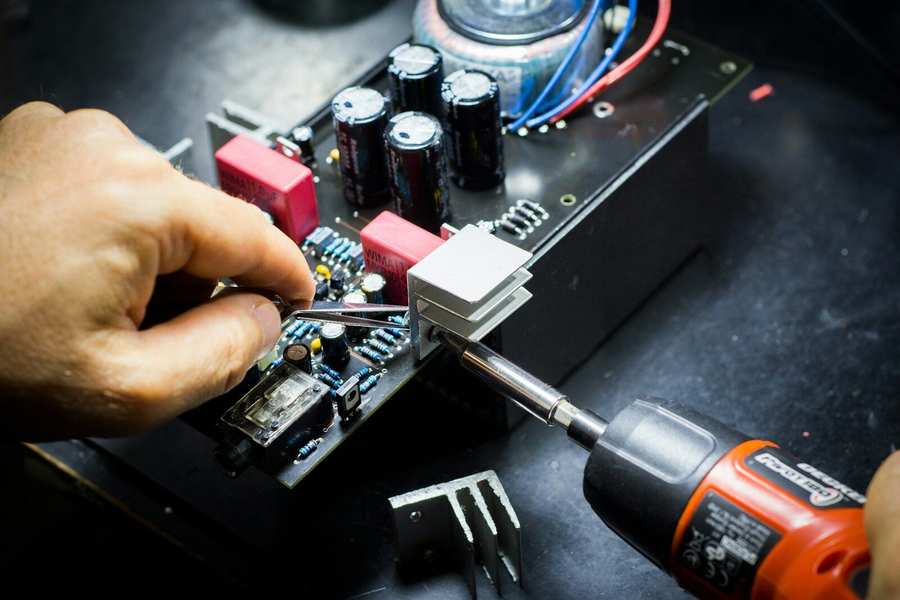
The Indian consumer electronics landscape is undergoing a radical shift as the Ministry of Consumer Affairs officially enforces the “Right to Repair” Framework 2.0 this April 2026. This new regulation mandates that tech giants—including Apple, Samsung, Xiaomi, and major laptop manufacturers—must provide Indian consumers and independent repair shops with the same tools, parts, and manuals that were previously exclusive to authorized service centers.
The “Repairability Score” Mandate
Starting this month, every new smartphone, tablet, and laptop sold in India must prominently display a Repairability Score on its packaging and e-commerce listings. This score, ranging from 1 to 10, is calculated based on the availability of spare parts, the ease of disassembly, and the price of official components relative to the device’s cost. Products with a score below 5 will face higher “Electronic Waste” levies, incentivizing companies to move away from glued-in batteries and proprietary screws.
Mandatory Spare Parts Availability
The 2026 regulations specifically target “planned obsolescence.” Manufacturers are now legally required to maintain a stock of critical spare parts—such as screens, batteries, and charging ports—for at least seven years after a product has been discontinued. Furthermore, companies are prohibited from using “software locking” or “parts pairing,” a practice where a device’s features (like FaceID or TouchID) are disabled if a component is replaced by an independent technician.
Impact on the “Local Repair” Economy
For the thousands of small-scale repair shops in cities like Bhopal and Delhi, this is a game-changer. The government has launched a centralized “Repair Portal India” where certified local technicians can buy genuine parts at regulated prices. This move is expected to reduce repair costs for the average consumer by nearly 30-40%, as the monopoly of authorized service centers is finally challenged.
Industry Pushback and Environmental Gains
While industry bodies like ICEA have raised concerns regarding intellectual property and user safety, the government remains firm. The primary goal is environmental sustainability; by extending the life of gadgets, India aims to reduce its e-waste generation by 1.2 million metric tonnes by 2028. For the Indian consumer, the message is clear: in 2026, you truly own what you buy, down to the last screw