
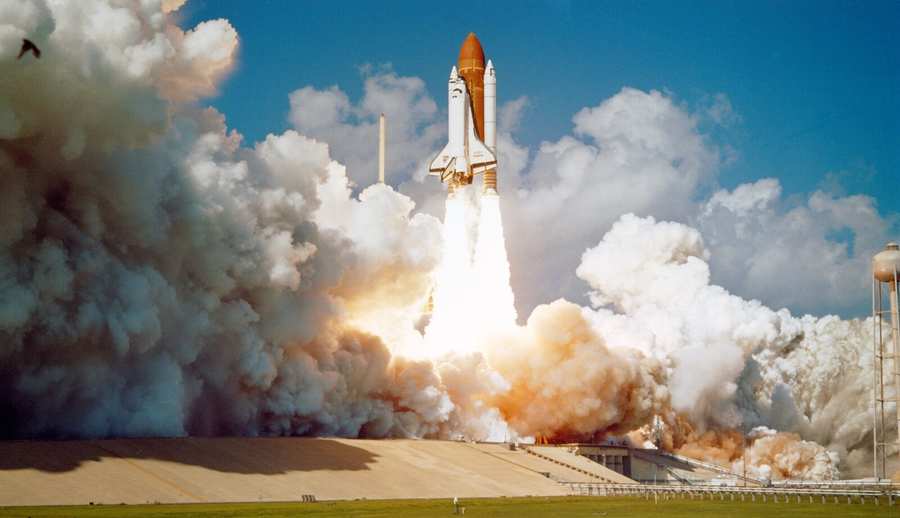
The Artemis II marks a major milestone in human space exploration, as NASA successfully launched its first crewed lunar flyby in more than 50 years — a critical step toward returning astronauts to the Moon and beyond.
🚀 A New Era Beyond Apollo
On 1 April 2026, NASA’s Space Launch System (SLS) heavy‑lift rocket lifted off from the Kennedy Space Center in Florida, carrying the Orion spacecraft and a four‑person crew into space. This mission represents the first time humans have ventured beyond low‑Earth orbit since the final Apollo 17 mission in 1972.
The mission is expected to last about 10 days and includes a lunar flyby, where the spacecraft will loop around the Moon before returning to Earth — a crucial step in preparing for future lunar landings and long‑term space habitation.
👨🚀 Meet the Artemis II Crew
The four astronauts aboard Artemis II are a blend of experience and historic firsts:
- Reid Wiseman – Commander and former NASA Chief Astronaut
- Victor Glover – Pilot; will be the first Black astronaut to travel toward the Moon
- Christina Koch – Mission Specialist; the first woman on a lunar mission
- Jeremy Hansen – Mission Specialist; the first Canadian to head toward the Moon aboard a NASA mission
Their journey will test key systems — such as life support, navigation, and communications — with astronauts on board to ensure safety and effectiveness for future missions.
🌖 Mission Goals and Significance
Artemis II isn’t aiming to land on the lunar surface, but it lays the groundwork for missions that will. Its main objectives include:
- Validating spacecraft performance with humans aboard
- Testing deep‑space operations and crew endurance
- Building confidence for upcoming surface landing missions like Artemis III and IV
The overarching Artemis program aims to establish a long‑term human presence on and around the Moon and serve as a stepping stone for future crewed missions to Mars.
📍 Why Artemis Matters
This mission symbolizes a new chapter in space exploration:
🌐 International collaboration: Inclusion of a Canadian astronaut reflects global partnership.
🌙 Scientific advancement: Crew will gather data critical for future lunar landings.
🚀 Inspiration: Artemis rekindles global interest in deep‑space human exploration after decades.
🚀 Quick Facts
| Feature | Details |
|---|---|
| Mission | Artemis II (Crewed Lunar Flyby) |
| Launch Date | April 1, 2026 |
| Duration | ~10 days |
| Rocket | Space Launch System (SLS) |
| Spacecraft | Orion |
| Historic Firsts | First woman, first Black astronaut & first Canadian toward the Moon |
🔮 Looking Ahead
Artemis II is a critical step toward NASA’s ambitious goals of returning humans to the lunar surface, supporting a sustained presence on the Moon, and using lunar exploration as a springboard for eventual missions to Mars and deeper into the solar system.