
Public health agencies, including the CDC, have issued an urgent “Health Alert” as cases of extensively drug-resistant (XDR) Shigella surge to record highs. What was once a manageable stomach infection has evolved into a formidable “superbug,” leaving clinicians with a dwindling arsenal of effective treatments.
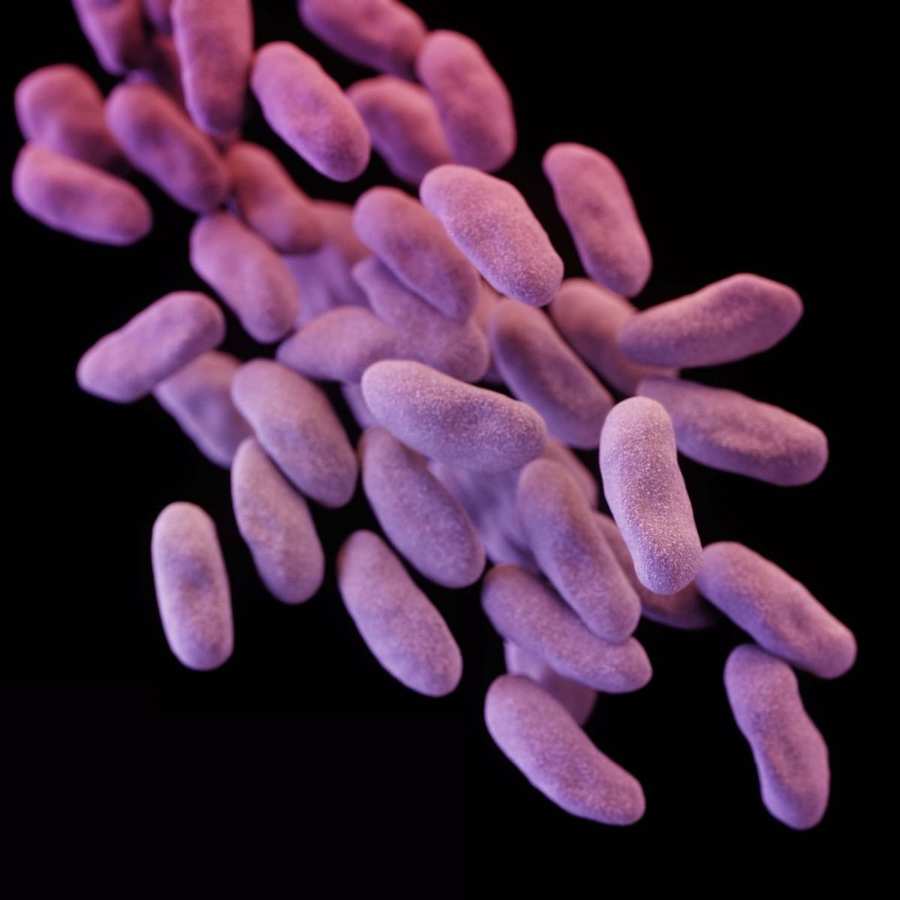
Shigella is a highly contagious bacterium that causes shigellosis, an inflammatory diarrhea often accompanied by fever and severe abdominal cramps. Traditionally, doctors relied on a suite of common antibiotics to clear the infection quickly. However, recent data shows that nearly 5% of all cases in the U.S. are now classified as XDR, meaning they are resistant to all five of the standard oral antibiotic classes, including azithromycin, ciprofloxacin, and ceftriaxone.
“We are entering uncharted territory,” says Dr. Marcus Thorne, an infectious disease specialist. “When we lose these oral options, we are forced to hospitalize patients for intravenous ‘last-resort’ drugs. These are not only more expensive but carry a higher risk of toxic side effects.”
The bacteria are notorious for their ease of transmission. It takes as few as 10 microscopic organisms to sicken a healthy adult. This high level of infectivity, combined with global travel and shifting social patterns, has allowed the drug-resistant strain to spread rapidly through urban centers.
Health officials are particularly concerned about the “global concern” regarding the bacteria’s ability to share resistance genes with other gut bacteria, such as E. coli. This genetic “cooperation” could lead to even more widespread antibiotic resistance across different types of infections. The CDC is currently urging increased vigilance in handwashing and hygiene, while calling for urgent investment in new antimicrobial therapies. For now, the message to the public is one of caution: this “hard-to-treat” stomach infection is no longer just a temporary discomfort—it is a significant public health threat.