
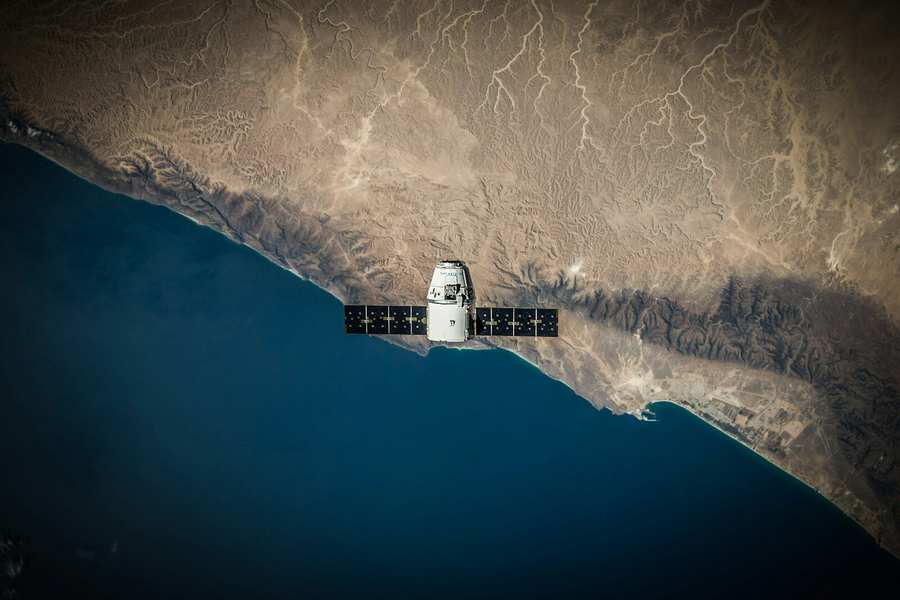
SpaceX is continuing to expand its satellite internet service, Starlink, bringing high-speed broadband connectivity to more countries and remote areas around the world.
Starlink operates through a massive network of low-Earth-orbit satellites designed to deliver fast internet access even in regions where traditional infrastructure is limited or unavailable. Since its launch, the project has grown rapidly, with thousands of satellites already deployed in orbit.
The initiative is part of a broader vision by Elon Musk to improve global connectivity and support digital development in underserved communities. Many rural and remote areas still lack reliable internet access, which limits opportunities for education, business, and communication.
Starlink users receive internet service through a small satellite dish that connects directly to the network of orbiting satellites. The system is designed to provide faster speeds and lower latency compared to traditional satellite internet services.
Several governments and organizations are also exploring the use of satellite internet technology during emergencies or natural disasters. In areas where traditional communication infrastructure has been damaged, satellite systems can provide quick and reliable connectivity.
The global satellite internet market is becoming increasingly competitive as technology companies invest in space-based communication networks. Firms such as Amazon are also developing similar satellite projects designed to provide global broadband coverage.
Despite its rapid growth, satellite internet faces challenges including regulatory approvals, high deployment costs, and concerns about the increasing number of satellites in Earth’s orbit.
Nevertheless, the continued expansion of Starlink highlights how space technology is transforming global communication infrastructure. As satellite networks grow, they may play a key role in closing the digital divide and connecting millions of people to the internet.