
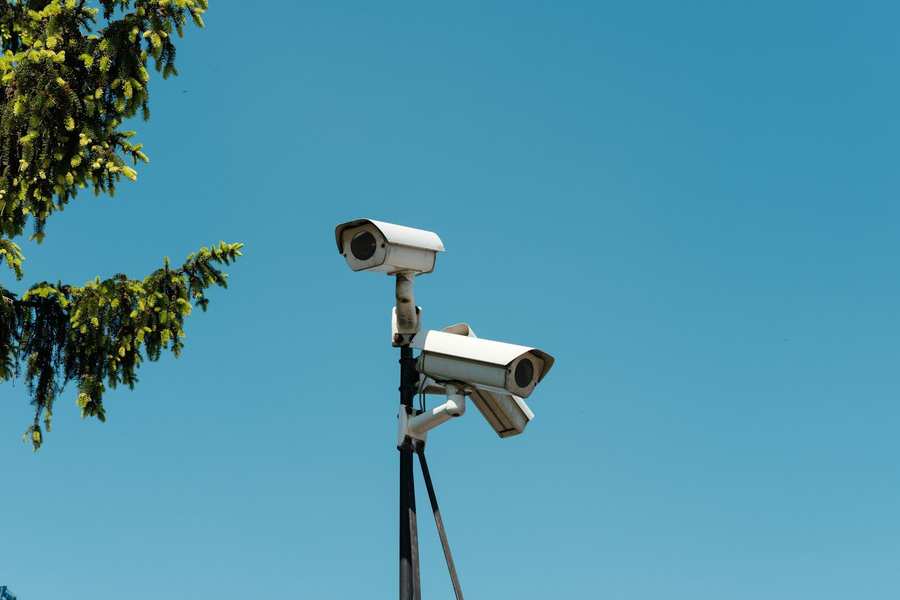
The Government of India is reportedly planning a major move that could impact the country’s surveillance and security market — a possible ban on select Chinese CCTV brands starting April 1, 2026. The decision, still under discussion, is aimed at strengthening national security and data protection standards.
🚫 Why India Is Considering the Ban
The proposed restriction targets concerns over:
🔐 1. Data Security Risks
Authorities fear that some foreign-made CCTV systems may:
- Transmit sensitive data to external servers
- Be vulnerable to cyber threats
- Lack transparency in data handling
🛡️ 2. National Security Concerns
CCTV cameras are widely used in:
- Government offices
- Public infrastructure
- Residential complexes
Any compromise could expose critical surveillance data, making security a top priority.
🌐 3. Push for Self-Reliance
The move aligns with India’s “Make in India” initiative, encouraging:
- Domestic manufacturing
- Local tech development
- Reduced dependency on foreign hardware
📦 Which Brands Could Be Affected?
While no official list has been finalized, reports suggest that several Chinese-origin surveillance brands may face restrictions if they fail to meet new compliance rules.
The government may require:
- Strict certification approvals
- Local data storage policies
- Security audits before approval
⚙️ What Will Change for Consumers and Businesses
If the ban is implemented, here’s how it could affect the market:
| Area | Expected Change |
|---|---|
| Availability | Fewer Chinese CCTV models in India |
| Prices | Possible increase due to reduced supply |
| Local Brands | Higher demand for Indian alternatives |
| Compliance | Mandatory certifications for new devices |
🏢 Impact on Businesses & Installations
- Housing societies and offices may need to review existing CCTV setups
- New installations might require government-approved devices only
- Importers and distributors could face stricter regulations
For large infrastructure projects, this could mean re-evaluating vendor contracts and equipment sources.
🇮🇳 Boost for Indian Manufacturers
If implemented, the move could benefit:
- Domestic CCTV manufacturers
- Indian electronics startups
- Local assembly units
It may also encourage global non-Chinese brands to expand manufacturing within India to meet demand.
⚠️ Challenges Ahead
Despite its advantages, the move may bring short-term challenges:
- 📈 Higher costs for consumers
- ⚙️ Limited options initially
- 🔄 Transition issues for existing systems
Balancing security needs with affordability and accessibility will be key.
📌 Final Verdict
The proposed ban on Chinese CCTV brands reflects India’s growing focus on data security, national safety, and technological independence. While it could reshape the surveillance market, the long-term goal is to build a more secure and self-reliant ecosystem.
👉 Consumers and businesses should stay updated on official announcements and be prepared for possible changes starting April 2026.