
The Indian government is closely monitoring the economic impact of the ongoing West Asia conflict, particularly on energy imports, trade routes, and inflation. Rising geopolitical tensions in the region have led to higher crude oil prices, affecting fuel costs and domestic markets.
The Ministry of Finance and Ministry of Petroleum have been coordinating to assess potential risks and formulate strategies to mitigate economic disruptions. Analysts note that India, being one of the largest importers of crude oil from the Gulf, is particularly sensitive to supply interruptions and price volatility.
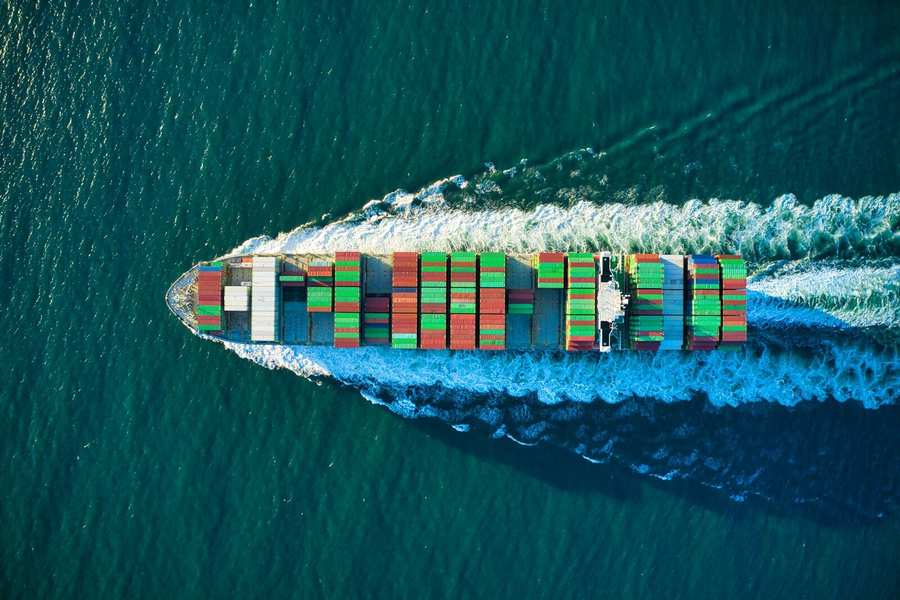
Trade experts warn that prolonged instability could impact transportation, shipping costs, and trade with West Asian countries. To counteract this, India is exploring alternative energy suppliers, strategic petroleum reserves, and flexible import arrangements.
The government has also briefed industry leaders and stakeholders to prepare for potential market fluctuations. Early interventions aim to stabilize fuel prices and ensure that essential commodities remain available at affordable rates.
Economists suggest that India’s proactive monitoring and diplomatic engagement are crucial in maintaining economic stability amid international uncertainty.