
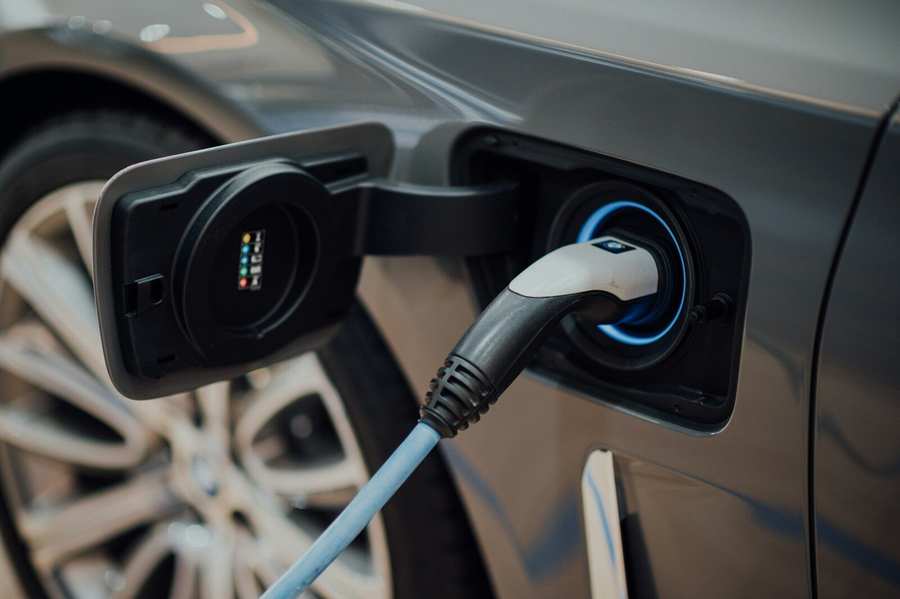
In the highly competitive arena of the global automotive market, Ford Motor Company has officially pulled back the curtain on its most ambitious project in decades: a dedicated “Skunk Works” team focused on developing a low-cost, high-efficiency electric vehicle platform. Announced by CEO Jim Farley during a recent investor briefing, this clandestine unit has been operating for over two years in Irvine, California, away from the traditional corporate structures of Dearborn. Their mission is simple yet revolutionary: to design an EV that can compete directly with affordable Chinese imports and Tesla’s upcoming mass-market models.
Efficiency Over Excess
The “Skunk Works” project represents a fundamental shift in Ford’s EV philosophy. While the F-150 Lightning and Mustang Mach-E were built on the idea of power and performance, the new platform prioritizes aerodynamic efficiency and weight reduction. By moving away from the “bigger is better” battery trend, Ford aims to achieve a competitive range with a significantly smaller, and therefore cheaper, battery pack.
The team is utilizing advanced software-defined architecture to minimize wiring and complexity—two of the most significant costs in modern EV manufacturing. The goal is a vehicle priced in the $25,000 to $30,000 range, a price point that has remained frustratingly elusive for most American manufacturers but is essential for capturing the mainstream consumer market.
The Silicon Valley Approach
What makes this team unique is its composition. Farley recruited top-tier engineering talent from Tesla, Rivian, and Apple, as well as experts in aerospace design. By operating with the agility of a startup, the Skunk Works team has bypassed traditional “gate-check” development cycles, allowing them to prototype and iterate at nearly double the speed of traditional automotive projects.
This “clean-sheet” approach also extends to the supply chain. The team is reportedly developing a new, verticalized strategy for sourcing minerals and components, reducing the company’s reliance on external tier-one suppliers. This move is designed to protect Ford from the supply chain volatility that hampered production in previous years.
A Survival Imperative
For Ford, the Skunk Works platform isn’t just a new product; it is a survival imperative. With Chinese manufacturers like BYD expanding rapidly into international markets, and domestic pressure mounting to lower EV entry costs, Ford recognizes that it cannot win a war of attrition using 20th-century manufacturing methods.
“If we don’t build a car that is affordable and profitable at the same time, we aren’t really in the game,” Farley noted. The first vehicles based on this secret platform are expected to hit the production line in late 2026 or early 2027, likely manifesting as a compact crossover or a high-utility urban vehicle. For digital entrepreneurs and market analysts, Ford’s move is a masterclass in innovation through isolation—proving that sometimes, to save a legacy giant, you have to build a rebel cell within it.

