
Global leaders are closely monitoring escalating tensions involving Iran, Israel, and the United States, as fears grow over potential economic and energy market disruptions.
The situation has intensified in recent weeks, with increased military activity, strong political rhetoric, and rising uncertainty across the Middle East. While no full-scale conflict has been declared, the risk of escalation remains a major concern for governments and global markets.
Rising Geopolitical Tensions
The relationship between Iran and Israel has long been strained, with both nations accusing each other of aggressive actions and regional interference. The United States, a key ally of Israel, has also been actively involved in monitoring and responding to developments.
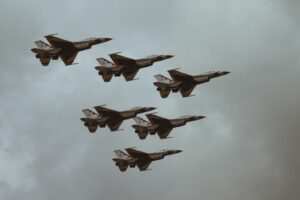
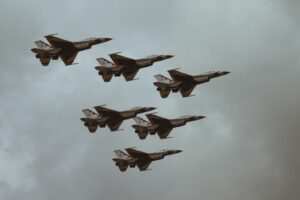
Recent military alerts, intelligence warnings, and strategic deployments have heightened concerns that the situation could spiral into a broader conflict. Diplomatic efforts are ongoing, but progress remains limited.
Impact on Global Energy Markets
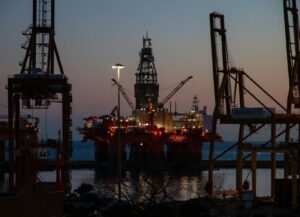
One of the biggest concerns surrounding the tensions is their potential impact on global energy supplies. The Middle East is a critical hub for oil production and transportation, and any disruption could have immediate effects on global prices.
Key shipping routes, including those near the Persian Gulf, are being closely watched. Any instability in these areas could affect oil exports, leading to price volatility and economic uncertainty worldwide.
Countries heavily dependent on energy imports are particularly vulnerable, and governments are already exploring contingency plans to manage potential supply disruptions.
Economic Ripple Effects
Beyond energy, the tensions could have wider economic consequences. Financial markets often react quickly to geopolitical instability, and investors are becoming increasingly cautious.
Stock markets have shown signs of volatility, while commodities like oil and gold are experiencing fluctuations. Analysts warn that prolonged uncertainty could slow global economic growth and impact trade.
Calls for Diplomacy
World leaders and international organizations are urging restraint and dialogue to prevent further escalation. Diplomatic channels remain open, with efforts focused on de-escalation and conflict prevention.
The United Nations has called for peaceful negotiations, emphasizing the importance of maintaining stability in a region that plays a vital role in global security.
A Fragile Situation
Despite ongoing diplomatic efforts, the situation remains fragile. Any miscalculation or unexpected development could trigger a larger conflict, with consequences extending far beyond the region.
For now, governments, businesses, and citizens around the world are watching closely, aware that developments in the Middle East can have a direct impact on global stability.
What Lies Ahead
The coming weeks will be critical in determining whether tensions ease or escalate further. Continued diplomatic engagement and strategic restraint will be key to avoiding conflict.
As the world becomes increasingly interconnected, regional disputes are no longer isolated events—they are global concerns. The Iran–Israel–U.S. tensions serve as a stark reminder of the delicate balance that defines international relations today.