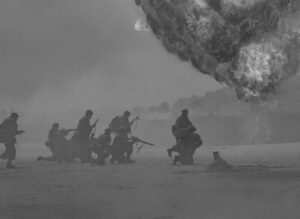

The ongoing Middle East conflict has intensified after a series of attacks targeted United States military bases and diplomatic facilities across the region, raising concerns about a wider escalation of hostilities.

Security officials reported multiple incidents involving drones, rockets and missiles aimed at US-linked sites in several countries. Some of the attacks were intercepted by defense systems, while others landed near military compounds and diplomatic zones, triggering heightened security alerts.
The latest developments come amid rising tensions following recent military actions involving Iran and its regional rivals. Analysts say the attacks appear to be part of a broader pattern of retaliation and proxy confrontations that could expand the conflict beyond its current scope.
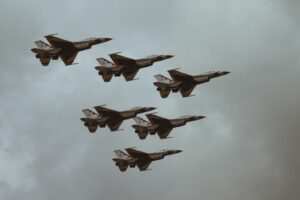
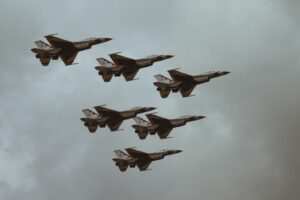
US military bases in parts of the Middle East have been placed on high alert, with additional security measures implemented to protect personnel and strategic installations. American officials have also warned that any threats to its forces or diplomatic missions will be met with a strong response.
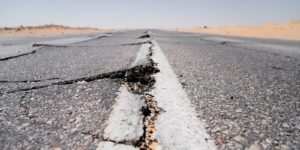
Regional governments are increasingly concerned that the conflict could spill over into neighboring countries, potentially destabilizing already fragile political environments.
Diplomatic missions across the Middle East have tightened security as precautionary measures. Several countries have issued travel advisories to their citizens, warning about the volatile security situation.
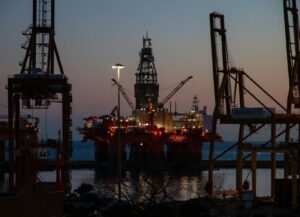
Energy markets and global investors are also closely monitoring the crisis, as instability in the region could disrupt oil production and shipping routes that are vital to global energy supplies.
International leaders have called for restraint and renewed diplomatic efforts to prevent the situation from escalating into a broader war involving multiple nations.
As tensions continue to mount, the attacks on US bases and diplomatic facilities signal that the Middle East crisis may be entering a more dangerous and unpredictable phase.