
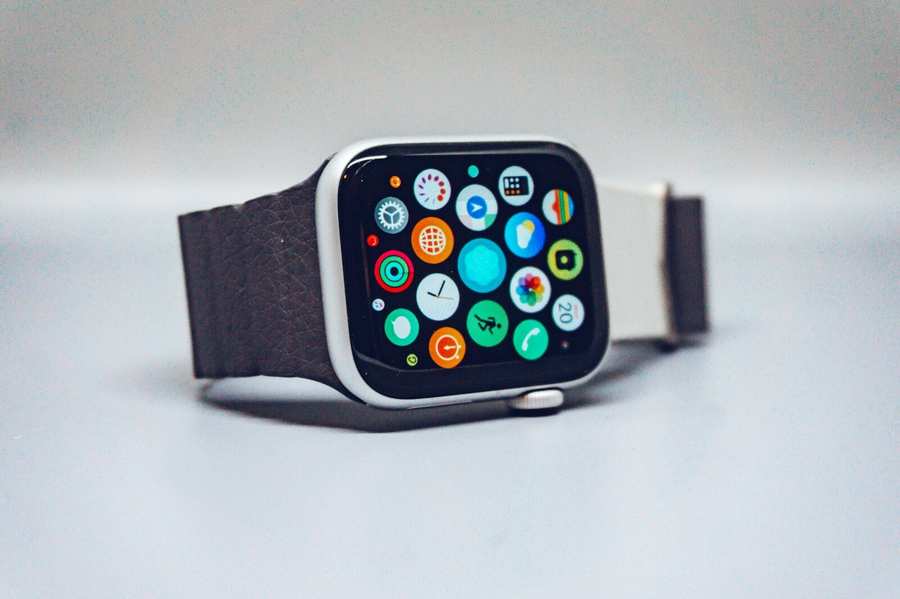
TORONTO — A new **Canadian study reveals that everyday smartwatch data can detect warning signs of worsening heart failure weeks before hospitalization — a breakthrough that could reshape proactive heart health care and wearable technology use worldwide.
Research conducted by the University Health Network (UHN) in Toronto followed 217 patients living with heart failure, tracking their heart rate, oxygen levels, and physical activity over several months using their Apple Watches. Scientists found that subtle shifts in these biometric signals — particularly trends in resting heart rate, activity changes, and nocturnal metrics — could reliably flag deterioration up to three weeks before medical intervention was required.
“These findings suggest that consumer wearables are no longer just fitness gadgets — they can play a meaningful role in proactive medical care,” a lead researcher said.
What This Means for Patients and Providers
Traditionally, heart failure progression is detected only once symptoms worsen significantly, often leading to emergency hospital visits. The study underscores how smartwatches — already worn daily by tens of millions — can serve as continuous biometric sentinels outside clinical settings. By combining routine sensor data with predictive analytics, wearables may support early alerts, timely doctor consultations, and more personalized care strategies.
This research aligns with broader scientific evidence showing that AI-enhanced digital health tools can transform cardiovascular screening and monitoring. Experts have highlighted that wearables capturing high‑fidelity heart data paired with intelligent algorithms could improve early detection of conditions like heart rhythm abnormalities and left ventricular dysfunction — conditions often precursors to heart failure.
Challenges and Next Steps
Despite its promise, researchers caution that consumer wearables are not replacements for clinical diagnostics. Dr. Laura Suarez Pardo of the Mayo Clinic notes that while smartwatch detection improves surveillance outside hospitals, medical evaluation remains essential for diagnosis and treatment decisions.
Additionally, not all smartwatches collect data equally — variability in sensor quality and user adherence affects consistency. Ongoing studies aim to refine algorithms, integrate multi‑sensor inputs, and validate findings across larger, more diverse populations.
Industry and Health Tech Implications
Healthcare providers and tech companies alike are watching closely. With nearly one in three adults now using wearable devices to monitor heart health trends, and AI capabilities rapidly advancing, the line between consumer electronics and medical support tools is blurring. This shift could lead to regulatory frameworks that formally recognize wearable‑derived data in preventive care, potentially reducing hospitalizations and improving outcomes for millions of patients globally.


