
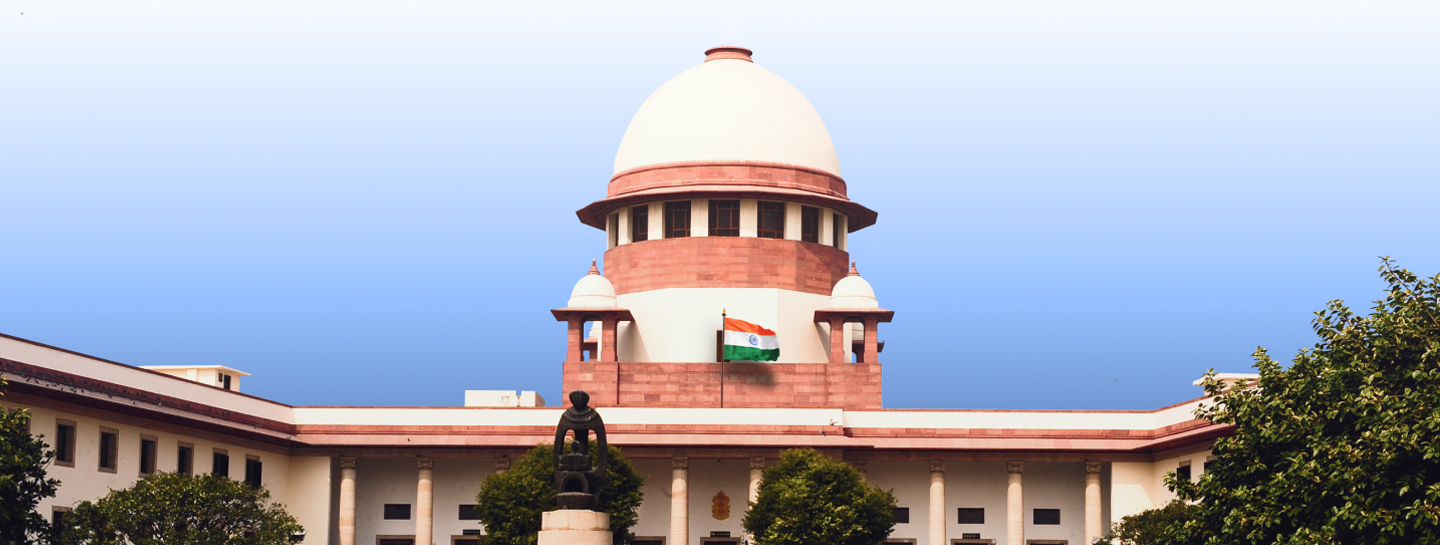
In a landmark and emotional judgment, the Supreme Court of India has permitted passive euthanasia for Harish Rana, a 32-year-old man who has been in a persistent vegetative state for more than 13 years following a severe brain injury. The decision marks a significant moment in India’s legal history regarding the right to die with dignity.
The verdict was delivered by a bench comprising Justice J. B. Pardiwala and Justice K. V. Viswanathan. During the hearing, Justice Pardiwala reportedly became emotional and briefly teared up while reading the judgment, reflecting the deeply human and ethical complexity of the case.
Background of the Case
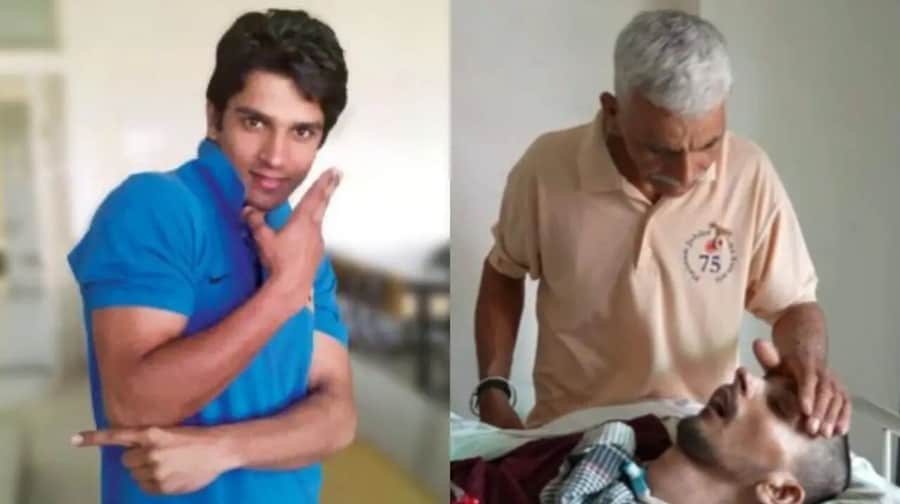
Harish Rana suffered a life-altering accident over a decade ago when he fell from a building, causing severe brain damage that left him in a permanent vegetative state. Since then, he has survived only through life-sustaining medical support, including clinically administered nutrition through a feeding tube. Doctors reported that his condition had shown no meaningful improvement for many years.
After years of caring for their son without signs of recovery, Rana’s parents approached the court seeking permission to withdraw life-sustaining treatment. Medical boards reviewing the case concluded that continuing such treatment would only prolong biological life without offering any chance of recovery.
What the Court Ruled
The Supreme Court allowed the withdrawal of life-support measures under the legal framework of passive euthanasia, which involves stopping medical interventions that artificially prolong life. The court emphasized that the key principle in such cases should always be the best interest and dignity of the patient.
The bench also directed that the process be carried out carefully at All India Institute of Medical Sciences, ensuring palliative care and dignity during the withdrawal of treatment.
A Landmark Moment for End-of-Life Rights
Legal experts say the judgment represents one of the most significant applications of India’s passive euthanasia guidelines, originally established in the Common Cause v. Union of India ruling on the right to die with dignity.
The decision has reignited nationwide debate on medical ethics, end-of-life care, and whether India should introduce clearer legislation governing euthanasia. For many observers, the case highlights the difficult balance between preserving life and respecting human dignity in situations where recovery is no longer possible.
Sources: ABP Live, LiveLaw, India Today, Times of India.