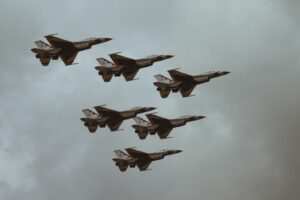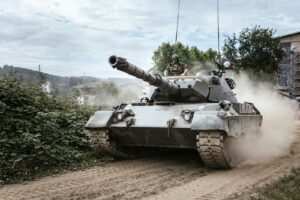
WASHINGTON, D.C. — The global community is holding its breath as the “Bridge Day” deadline approaches. In a series of high-decibel social media posts, President Trump has issued a final warning to Tehran: reopen the Strait of Hormuz by Tuesday morning or face a devastating new phase of kinetic strikes targeting Iran’s most critical civilian infrastructure.
Targeting the “Mega-Structures”
Military analysts and satellite imagery have identified five major Iranian civilian bridges that are reportedly at the top of the U.S. target list. These include multimillion-dollar structures that serve as vital arteries for domestic commerce and troop movements. By shifting focus from military bases to “dual-use” civilian infrastructure, the administration aims to maximize the economic pressure on the Iranian regime.
“Open the Strait, or you’ll be living in hell—JUST WATCH!” the President posted on Truth Social, signaling a departure from the more restrained targeting seen in the first five weeks of the conflict.
The Geopolitical Brinkmanship
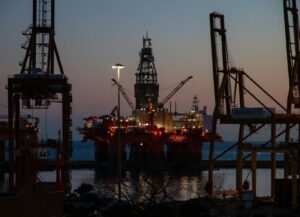
The Strait of Hormuz is the world’s most important oil chokepoint, with approximately 20-25% of global oil supply passing through its narrow waters. Since Iran largely restricted traffic in response to U.S.-Israeli strikes, global energy prices have remained in a state of high volatility.
While the U.S. has successfully rescued its downed airmen, the tactical focus has now shifted toward forcing a total capitulation regarding the waterway. However, the move is not without its critics. Several NATO allies have expressed “deep concern,” suggesting that striking civilian bridges could constitute a violation of international law and further alienate the Iranian populace.
A Last-Ditch Ceasefire?
In the eleventh hour, Pakistan has stepped forward with a “two-phased” truce deal. The proposal suggests a 45-day cessation of hostilities in exchange for the immediate reopening of the Strait and a freeze on Iranian nuclear enrichment. While the White House described the talks as “productive” earlier today, the Iranian Foreign Ministry has officially denied that any direct negotiations have taken place, leaving the “Bridge Day” threat active.
Domestic Anxiety Grows
In the U.S., the threat of a widened war is causing a ripple effect. On Wall Street, defense stocks have surged, while the travel and manufacturing sectors are bracing for potential supply chain disruptions. With the deadline set for tomorrow, the next 24 hours will likely determine if the region moves toward a fragile peace or a catastrophic infrastructure war.
ai