
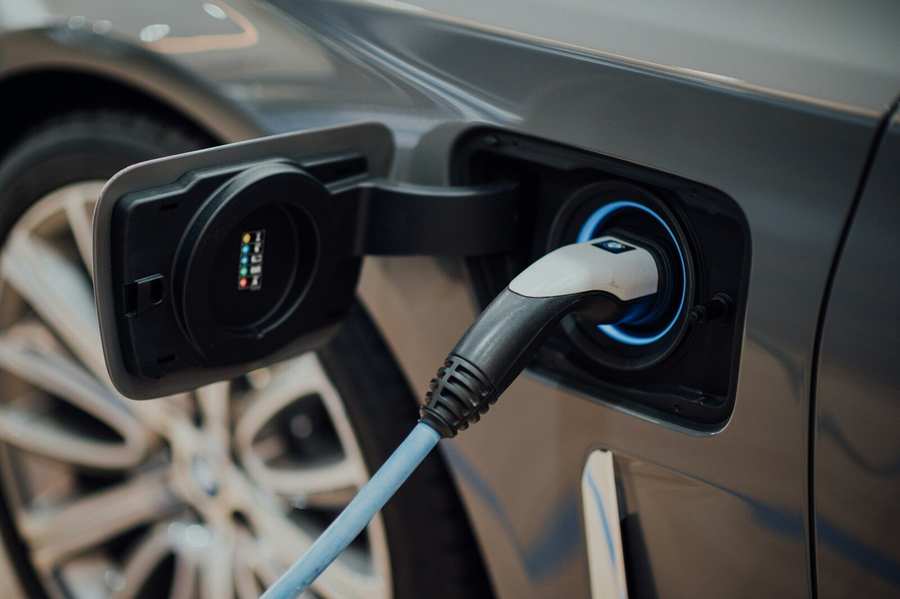
The American automotive landscape is undergoing a massive structural shift this spring as the used electric vehicle (EV) market officially enters its “Golden Age.” For years, the second-hand car market was dominated by internal combustion engines, while early EVs suffered from steep depreciation and “range anxiety” fears regarding aging batteries. However, as of April 2026, a perfect storm of government incentives, standardized battery health reporting, and a surge in lease-end inventory has turned the used EV sector into a $30 billion economic powerhouse.
The $4,000 Tax Credit Catalyst
The primary driver behind this boom is the federal Used EV Tax Credit, which was expanded in late 2025. Eligible buyers can now receive a point-of-sale discount of up to $4,000 on pre-owned electric vehicles priced under $25,000. This has effectively leveled the playing field, allowing middle-income families to purchase high-quality, three-year-old Teslas, Ford F-150 Lightnings, and Hyundai Ioniqs for a net price comparable to a used Honda Civic.
Data from the first quarter of 2026 shows that used EV sales have surged by 42% year-over-year, outperforming every other category in the automotive sector. For many Americans, the “total cost of ownership” has finally hit the tipping point where electricity and reduced maintenance costs make an older EV significantly cheaper to run than a gas-powered equivalent.
The “Battery Passport” and Consumer Trust
Historically, the biggest barrier to buying a used EV was the unknown condition of the battery. In 2026, that barrier has been dismantled by the widespread adoption of the “Battery Passport.” New regulations now require dealers to provide a verified digital certificate of battery health for every used EV on the lot.
This transparency is powered by AI-driven diagnostics that analyze the charging history and thermal cycles of the battery pack. Companies like Recurrent and Cox Automotive have standardized these “Health Scores,” giving buyers the same confidence in a battery that they once had in an odometer. Knowing that a 2023 Model Y still retains 94% of its original capacity has removed the “risk premium” that previously suppressed used EV prices.
Corporate Fleet Flush
The inventory surge is also a result of the “Great Fleet Refresh” of 2023-2024. Thousands of EVs that were purchased by rental agencies like Hertz and corporate logistics firms are now hitting the secondary market as their three-year leases expire. This massive influx of supply has corrected the “overpricing” seen in 2022, making 2026 the first year where a buyer can find a reliable, long-range EV for under $20,000 without sacrificing modern tech features.
For entrepreneurs and marketing professionals, this trend represents a new frontier in sustainable branding. As the barrier to entry for EVs drops, “Green” is no longer a luxury label—it’s a mainstream standard. The used EV boom is not just a win for the environment; it is a vital economic engine that is making the future of transportation accessible to the masses.