The ongoing conflict involving Iran has rapidly evolved into not only a geopolitical crisis but a profound global economic shock, exerting intense pressure on energy markets, financial systems, and supply chains worldwide. What began with U.S. and Israeli strikes on February 28, 2026 has triggered a series of market responses that reflect heightened uncertainty about future oil supplies and global growth prospects.
Oil Prices Surge and Market Volatility
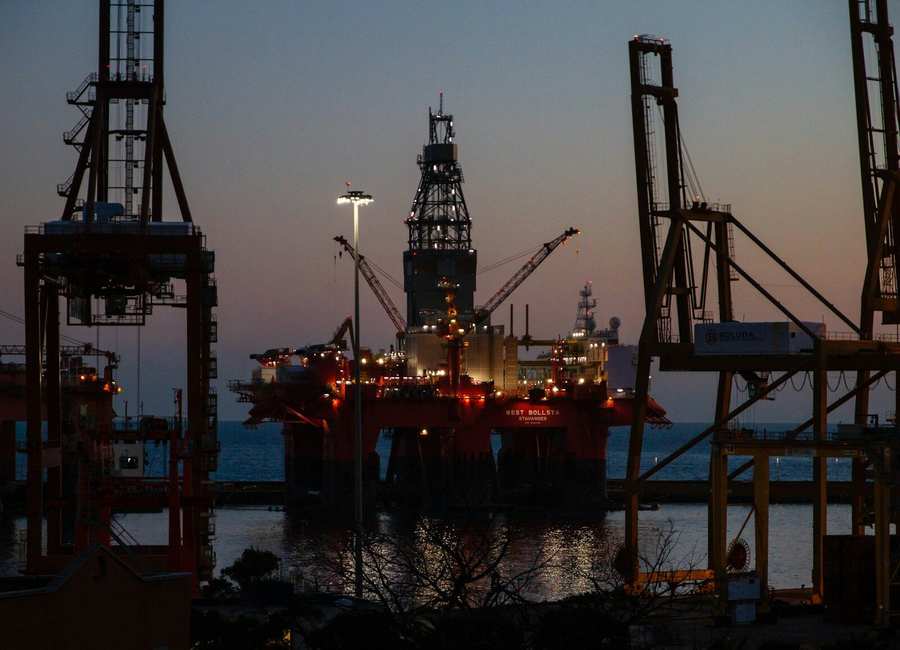
As the conflict intensified, disruptions around the Strait of Hormuz — a vital chokepoint through which nearly 20 % of global crude oil supply flows — have severely distorted global oil benchmarks. According to the latest Reuters report, the Dubai crude benchmark surged toward $170 per barrel, a historic high that reflects constrained supply and logistical complications in pricing delivery cargoes. Middle Eastern shipments were largely halted due to security threats and insurance premiums rising sharply.
Despite this, the markets showed signs of short‑term optimism on April 1 after U.S. President Donald Trump suggested the war could conclude within “two to three weeks.” Brent crude prices briefly fell toward $98 before stabilizing above $100 per barrel, as uncertainty about longer‑term supply risks remained. Stock markets rallied moderately on this perceived softening of tensions.
Global Markets Felt the Shock
The price surge in crude has rippled through equity and commodity markets. Asian stock indices, such as Japan’s Nikkei and Hong Kong’s Hang Seng, weakened in March, driven by inflation concerns and slower growth forecasts tied to higher energy costs. Global bond markets also faced pressure as higher oil prices fueled inflation expectations. Global equities experienced volatility as investors rebalanced portfolios in light of an uncertain economic outlook.
Broader Economic & Inflation Effects
Economists warn that continued disruption in oil flows may hasten inflationary pressures in energy‑importing countries, complicating central banks’ efforts to manage price stability. Higher energy costs translate directly into elevated transportation, manufacturing, and consumer fuel prices. The shock has stoked fears of stagflation scenarios similar to earlier energy crises, particularly in heavily import‑dependent economies in Asia and Europe.
A Structural Shock, Not Just a Short‑Term Disruption
Analysts emphasize that even if a ceasefire materializes, the aftershocks on global markets could persist for months. Permanent rerouting of supply chains, elevated maritime insurance costs, and strategic shifts in energy sourcing are likely to shape market behavior throughout 2026. The crisis has exposed vulnerabilities in global energy dependence and could accelerate policy changes toward diversification and energy security.
Market Indicator Snapshot
Metric Status (Apr 1, 2026) Brent Crude ~$101–$170 /bbl (volatile) Supply risk premium Elevated Asian equities Weakening trend Global inflation outlook Upward pressure
Source: Aggregate data as of April 1, 2026.