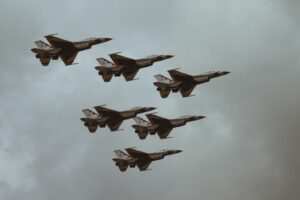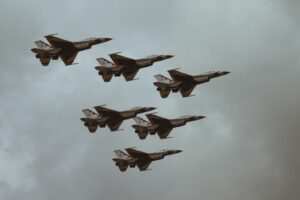
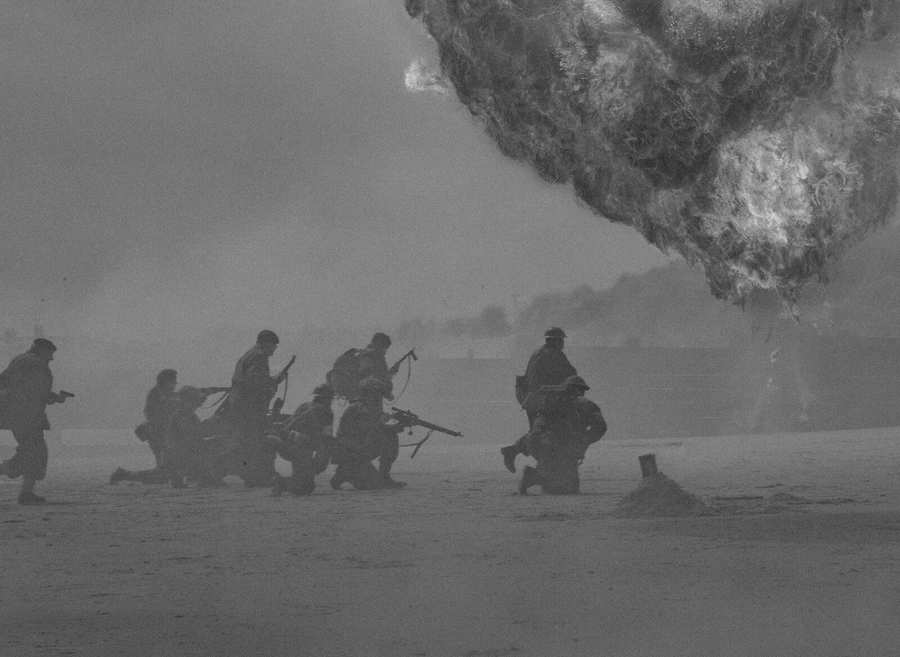
Israel has significantly escalated its military operations in southern Lebanon, following a series of cross-border attacks and rocket fire attributed to militant groups. Israeli Defense Forces (IDF) report targeting strategic positions and supply routes used by Hezbollah and other armed factions in the region.
According to military sources, the escalation aims to neutralize threats to Israeli towns near the northern border and to prevent further attacks on civilian and infrastructure targets. Airstrikes and artillery shelling have intensified, while ground units are reportedly preparing for potential incursions if hostilities continue.
The conflict has already displaced thousands of civilians in southern Lebanon. Local authorities warn that continued military actions could exacerbate the humanitarian crisis, as families seek safety amid ongoing bombardments. Humanitarian organizations have called for urgent corridors to deliver aid and evacuate vulnerable populations.
International reaction has been swift. The United Nations and European Union have urged both Israel and Lebanese authorities to exercise restraint and prioritize the protection of civilians. Diplomatic channels are reportedly exploring urgent ceasefire negotiations, though progress remains limited.
The expansion of military operations has drawn attention from regional and global powers. The United States has expressed support for Israel’s right to defend its territory, while simultaneously emphasizing the need to avoid civilian casualties. Meanwhile, Iran-backed groups in Lebanon have vowed to respond to continued Israeli offensives, raising fears of a broader regional escalation.
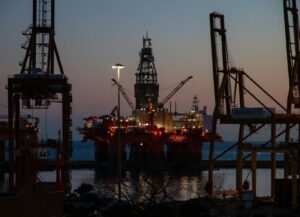
Economically, the conflict has already impacted cross-border trade and disrupted local markets. Analysts warn that prolonged hostilities may also affect global energy markets, given Lebanon’s proximity to key shipping routes in the eastern Mediterranean.
As tensions escalate in southern Lebanon, the situation remains volatile. Experts caution that further military expansion could spark a wider regional confrontation, underscoring the urgent need for diplomatic intervention to prevent a full-scale crisis.
Google News