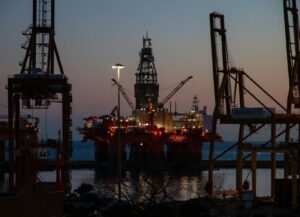

Reports indicate that the United Arab Emirates is preparing to take a more active role in the ongoing Iran conflict, potentially joining military efforts aimed at securing the Strait of Hormuz. Sources familiar with the matter say that UAE officials have been coordinating with regional allies to ensure the safe passage of commercial vessels through this critical waterway.
The Strait of Hormuz, through which nearly a fifth of the world’s oil supply passes, has become a flashpoint due to repeated attacks on tankers, drone strikes, and naval confrontations. Analysts warn that any escalation could push global oil prices even higher and disrupt international supply chains.
According to insiders, the UAE’s involvement would focus on protecting shipping lanes, providing intelligence support, and coordinating with U.S. and allied forces in the Gulf. While the UAE has historically maintained a cautious stance in regional conflicts, growing threats to maritime security and economic interests appear to have prompted a more assertive posture.
The move has drawn attention from both international observers and global markets. Oil prices reacted immediately to the news, showing volatility as traders weighed the implications of increased military activity in the Gulf. Insurance premiums for tankers passing through the strait have also surged, reflecting heightened risks.
Diplomatic circles are expressing concern over the UAE’s potential engagement, emphasizing that any military escalation could complicate ongoing ceasefire talks, including proposals backed by China and Pakistan. Regional powers are urging restraint to prevent a broader confrontation that could destabilize the entire Middle East.
Meanwhile, the United Nations and humanitarian groups have stressed the need to protect civilians and maintain open channels for aid. With the conflict already causing significant displacement and economic disruption, further escalation could exacerbate the crisis.
As tensions rise, the UAE’s reported readiness to join the war effort underscores the high stakes in the Gulf. Global leaders are watching closely, recognizing that actions in the Strait of Hormuz have far-reaching implications for both regional stability and the international economy.