Authorities in several regions have issued urgent weather alerts, including a Flood Watch and Flash Flood Warning, as intense rainfall and severe storms threaten to cause dangerous flooding conditions. Meteorologists are warning residents to remain alert as rapidly rising water levels could create life-threatening situations in low-lying areas.
Weather experts from the National Weather Service reported that heavy rainfall, combined with saturated soil and strong storm systems, significantly increases the risk of flash flooding. These warnings are commonly issued when rainfall is expected to accumulate quickly, overwhelming drainage systems, rivers, and streams.
Understanding Flood Watch vs Flash Flood Warning
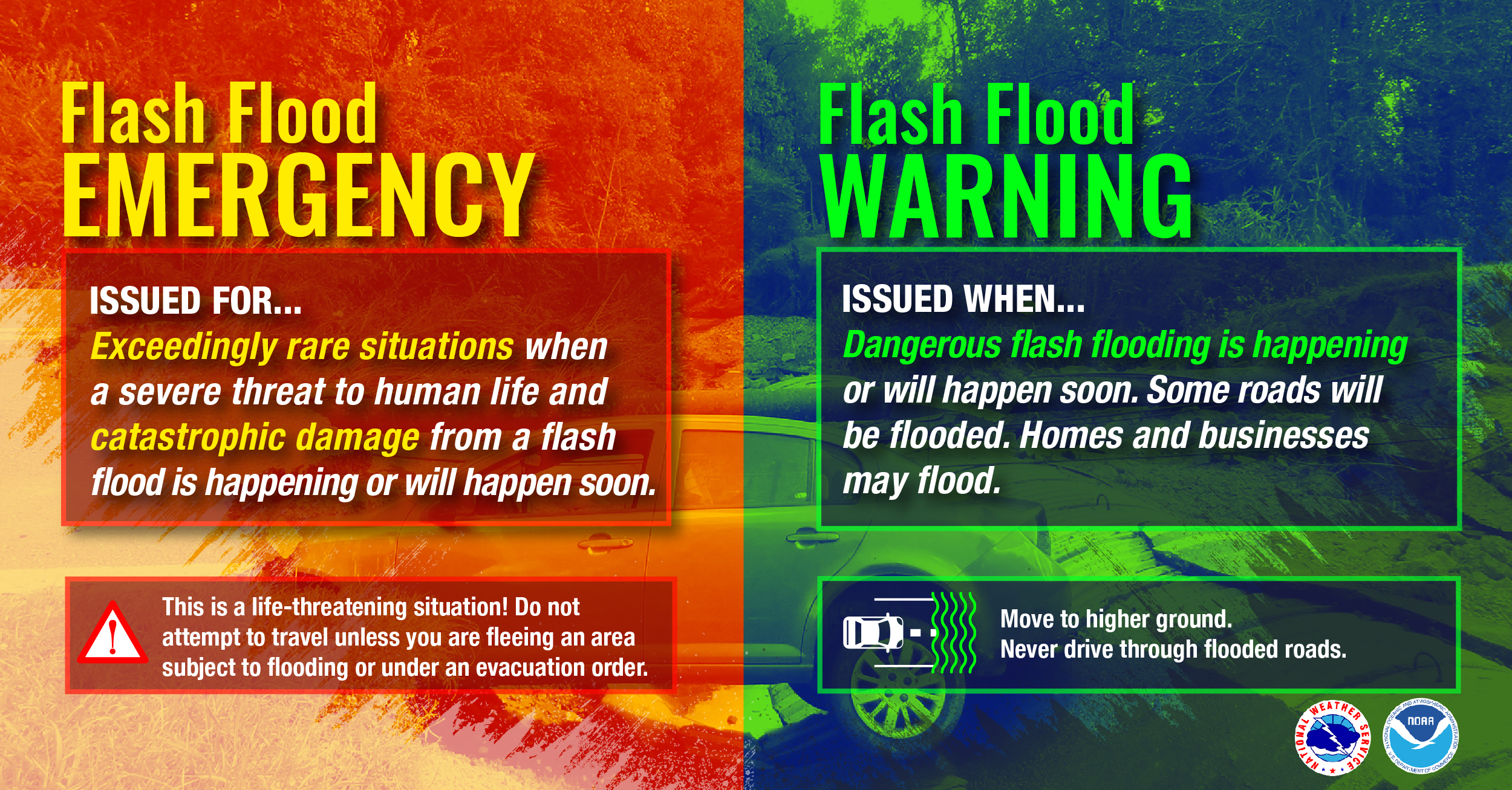
Many people often confuse the difference between a flood watch and a flash flood warning, but meteorologists emphasize that each alert represents a different level of risk.
A Flood Watch means that weather conditions are favorable for flooding to occur. This alert is issued when forecasters believe heavy rainfall could lead to flooding in rivers, streams, or urban areas. While flooding may not yet be happening, residents should prepare and monitor weather updates closely.
A Flash Flood Warning, on the other hand, is far more urgent. This warning indicates that flash flooding is either already happening or expected to occur within a short time. Flash floods can develop within minutes or hours after intense rainfall, leaving little time for preparation.
Flash floods are particularly dangerous because they occur suddenly and can rapidly sweep away vehicles, damage buildings, and endanger lives.
Heavy Rainfall Triggers Flood Risks
Meteorologists have identified strong storm systems moving across several regions, bringing intense rainfall, thunderstorms, and strong winds. When heavy rain falls in a short period, the ground cannot absorb the water quickly enough, causing runoff to flow into streets, rivers, and drainage systems.
Urban areas are especially vulnerable to flash flooding because large sections of concrete and pavement prevent water from naturally soaking into the soil. As a result, water accumulates rapidly on roads and in residential neighborhoods.
Low-lying communities near rivers and streams also face heightened risks. Rising water levels can quickly overflow riverbanks, leading to dangerous flooding that can damage homes and infrastructure.
Emergency Officials Urge Caution
Local authorities and emergency management teams are urging residents to stay informed and take precautions during the severe weather conditions. Officials warn that even a small amount of moving water can be extremely powerful.
Experts emphasize the importance of avoiding flooded roads. Many flood-related deaths occur when drivers attempt to cross water-covered streets. It can be difficult to judge the depth of floodwater, and vehicles can quickly lose control or become submerged.
Emergency agencies advise the public to follow the safety message often repeated during flood events: “Turn Around, Don’t Drown.” This simple guideline reminds drivers and pedestrians not to attempt crossing flooded areas.
Impact on Transportation and Communities
Flooding can significantly disrupt daily life, particularly in regions experiencing severe weather conditions. Roads may become impassable, public transportation systems may face delays, and businesses may temporarily close due to safety concerns.
In rural areas, heavy rainfall can also impact agricultural land, damaging crops and affecting local economies. Floodwaters can erode soil, destroy farmland, and contaminate water sources.
Meanwhile, urban flooding can damage homes, vehicles, and electrical systems. In severe cases, residents may be forced to evacuate if water levels rise too quickly.
Emergency shelters are sometimes established in communities facing extreme flooding risks to provide temporary refuge for displaced residents.
Climate and Increasing Flood Events
Meteorologists and climate researchers have observed an increase in extreme weather events in recent years, including intense rainfall and flooding. Warmer temperatures can lead to greater moisture in the atmosphere, which can produce heavier rainstorms.
Although flooding has always been a natural hazard, scientists say the intensity and frequency of certain storms appear to be increasing in many parts of the world.
Improved forecasting technology now allows meteorologists to issue earlier warnings and provide communities with more time to prepare for potential disasters.
Safety Tips During Flood Warnings
Authorities recommend several safety precautions during flood conditions:
• Monitor official weather updates and emergency alerts.
• Avoid driving through flooded streets or highways.
• Move to higher ground if flooding begins near your location.
• Prepare emergency supplies, including water, food, and flashlights.
• Follow instructions from local emergency officials.
Residents living near rivers or flood-prone areas are especially encouraged to remain vigilant and have evacuation plans ready if necessary.
Looking Ahead
Weather experts continue monitoring storm systems closely and updating forecasts as conditions evolve. Communities in affected regions are urged to stay alert for new advisories or warnings.
Flood watches and flash flood warnings serve as critical tools for public safety, helping alert communities before dangerous conditions worsen. While severe storms can be unpredictable, preparedness and awareness remain the most effective ways to reduce the risks associated with flooding.
As heavy rainfall continues to impact several areas, authorities emphasize that public cooperation and caution will play a crucial role in preventing injuries and saving lives.