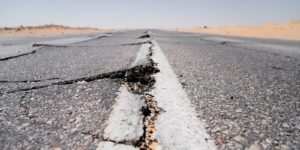

International summit focuses on stronger commitments to reduce emissions and accelerate clean energy transition.
World leaders from dozens of countries gathered this week for a high-level climate summit aimed at accelerating global efforts to combat climate change. The meeting comes at a time when scientists continue to warn that rising temperatures, extreme weather events, and melting ice caps are becoming more severe and frequent.
During the summit, government officials discussed new strategies to reduce greenhouse gas emissions and expand the use of renewable energy sources such as solar, wind, and hydroelectric power. Several countries presented updated climate commitments, including plans to reach net-zero carbon emissions within the next few decades.
Leaders also emphasized the importance of international cooperation. Developing countries called for increased financial support to help them transition to cleaner energy systems while protecting economic growth. Wealthier nations signaled their willingness to increase climate funding and technology sharing to help vulnerable regions adapt to climate impacts.
Another major focus of the summit was the rapid growth of clean energy technologies. Experts highlighted how falling costs for solar panels, wind turbines, and battery storage systems are making renewable energy more accessible worldwide. Many governments are now investing heavily in green infrastructure and electric transportation systems.
The summit follows several years of rising public pressure for stronger environmental policies. Climate activists and scientists have repeatedly warned that the window to limit global warming is narrowing. Recent reports suggest that without significant emissions reductions, the world could face increasingly dangerous climate conditions.
In response, policymakers at the summit stressed that urgent action is required. Many leaders said the meeting could mark an important step toward strengthening global climate cooperation and accelerating the transition to a low-carbon economy.
While challenges remain, participants expressed cautious optimism that coordinated international efforts could help slow climate change and protect the planet for future generations.