
Global — March 26, 2026 — A growing chorus of scientists, intelligence officials, and geopolitical analysts has issued warnings about a potential global crisis that could unfold in the coming months. While details remain confidential in many cases, experts are urging governments and citizens to prepare for risks ranging from environmental disasters to geopolitical instability.
🌍 Nature of the Threat
While the exact nature of the anticipated crisis remains classified, experts suggest that multiple global factors could converge:
- Climate and Environmental Stressors
- Unprecedented heat waves, floods, and storms are predicted in several regions, exacerbating resource scarcity.
- Rapid glacier melting and sea-level rise could impact coastal populations and critical infrastructure.
- Geopolitical Tensions
- Conflicts in the Middle East and East Asia have escalated, with the potential to disrupt global supply chains.
- Emerging proxy conflicts could spark wider regional crises, affecting international security.
- Economic Vulnerabilities
- Inflationary pressures, unstable energy markets, and stock market volatility could destabilize economies worldwide.
- Critical sectors, including agriculture, transportation, and energy, are at risk from natural and man-made disruptions.
🔬 Scientific Warnings
Leading climatologists and disaster-response experts have highlighted warning signs in multiple domains:
- Extreme Weather Events: Satellite data show record-breaking storms in the Pacific and Atlantic regions.
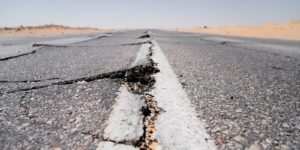
- Seismic Activity: Some geologists are monitoring increasing tectonic activity in high-risk zones.
- Pandemic Risk: Experts stress the ongoing need for vigilance against emerging pathogens, especially in urban centers.
Dr. Lillian Chen, a climate scientist, commented:
“We are entering a period where several high-impact risks could coincide. Preparedness and international cooperation are critical to mitigating catastrophic outcomes.”
📰 Global Response Measures
Governments and international organizations are taking steps to mitigate potential fallout:
- Early Warning Systems: Investments in satellite monitoring, AI-based forecasting, and emergency alert networks.
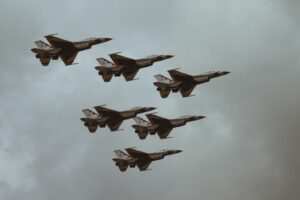
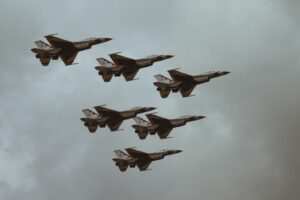
- Military and Humanitarian Coordination: Forces are preparing for rapid response to both natural and geopolitical crises.
- Public Advisories: Citizens are urged to review disaster preparedness plans and remain vigilant about news updates.
📊 Potential Impacts
| Sector | Possible Impact |
|---|---|
| Energy | Supply disruptions, price spikes |
| Food & Agriculture | Crop losses due to extreme weather |
| Transportation | Delays and disruptions in shipping routes |
| Finance | Market volatility, currency fluctuations |
| Public Health | Strain on hospitals and emergency services |
💬 Expert Commentary
- Dr. Marcus Hall, Geopolitical Analyst:
“The world is more interconnected than ever. A crisis in one region could cascade globally. Early action is essential.” - Elena Torres, Disaster Management Consultant:
“Preparedness is not panic. Governments, corporations, and individuals need plans in place to mitigate risks.” - Intelligence Community Representative:
“We are monitoring potential triggers and coordinating with international allies to prevent escalation.”
⚠️ Key Takeaways for the Public
- Stay informed through credible news sources.
- Have emergency supplies ready, including food, water, and medical kits.
- Review evacuation routes and communication plans.
- Participate in local preparedness drills if available.
Summary:
Experts are raising alarms about a potential global crisis, citing environmental, geopolitical, and economic factors. While the exact nature remains uncertain, preparation and vigilance are being emphasized worldwide. Coordinated action by governments, organizations, and individuals could make the difference between manageable disruptions and widespread catastrophe.