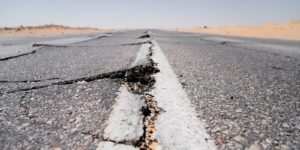

Recent weeks have seen a noticeable increase in earthquake alerts reported across multiple regions of the globe, prompting scientists and disaster management agencies to issue warnings and advise heightened vigilance. From Asia to the Americas, minor to moderate tremors have been detected, leading to growing concern among residents and policymakers alike.
Seismologists point out that while minor tremors are relatively common, the recent uptick may be attributed to both natural tectonic shifts and improved detection technologies. United States Geological Survey and other international monitoring centers are tracking seismic activity closely, analyzing patterns that could indicate heightened risk areas. Early warning systems have been activated in several regions to help communities prepare for potential stronger quakes.
Experts emphasize that preparedness remains key, recommending that households and businesses review earthquake safety protocols, secure heavy objects, and identify emergency evacuation routes. Authorities are also advising residents to remain cautious during aftershocks, which can follow initial tremors and cause significant damage if structures are compromised.
Social media platforms have been filled with videos and eyewitness accounts of tremors, amplifying public awareness. While some posts have led to unnecessary panic, official channels continue to provide real-time information and guidance to ensure safety.
Scientists are also using this period of heightened seismic activity to educate the public on earthquake-resistant construction and urban planning strategies, particularly in high-risk zones. They stress that while predicting exact earthquakes remains impossible, data-driven monitoring and community readiness can significantly reduce the impact.
In conclusion, the recent rise in earthquake alerts is a reminder of the dynamic nature of Earth’s crust. Global monitoring efforts, combined with public preparedness and safety measures, remain critical to mitigating risks and ensuring community resilience in the face of natural disasters.