The conflict involving Iran has entered its 33rd day, with a sharp escalation in military activity across the Gulf region. Airstrikes, drone attacks, and naval confrontations have intensified, raising fears of a prolonged and more destructive phase of the war.
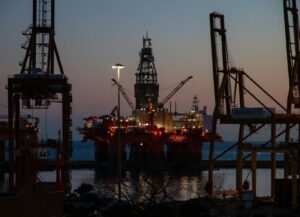
Over the past 24 hours, multiple strikes have been reported near key oil and shipping routes, particularly around the Strait of Hormuz. This narrow waterway remains one of the most critical chokepoints in global trade, with nearly a fifth of the world’s oil passing through it daily. Any disruption here has immediate global consequences.
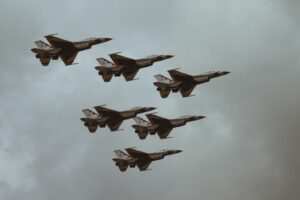
Military sources indicate that both sides have increased the scale and frequency of their operations. Iranian-backed forces are believed to be targeting energy infrastructure and commercial vessels, while U.S. and allied forces have responded with precision strikes on strategic locations. The situation remains fluid, with reports of new attacks emerging almost hourly.
The intensifying conflict has had a direct impact on global oil markets. Prices surged significantly as traders reacted to the growing risk of supply disruptions. Analysts warn that if the situation continues to deteriorate, the world could face one of the most severe energy shocks in recent decades.
Countries heavily dependent on oil imports, including India, Japan, and several European nations, are closely monitoring developments. Governments are preparing contingency plans, including tapping into strategic reserves and exploring alternative supply routes.
Meanwhile, diplomatic efforts to de-escalate the conflict have yet to yield significant results. Nations such as China and members of the European Union are urging restraint and pushing for immediate ceasefire talks. However, with both sides appearing unwilling to back down, prospects for a quick resolution remain uncertain.
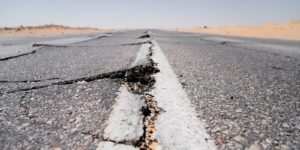
Civilians across the region are also bearing the brunt of the conflict. Reports of displacement, infrastructure damage, and casualties continue to rise, particularly in areas close to military targets. Humanitarian organizations have called for safe corridors and increased aid access.
Adding to the uncertainty, Donald Trump is expected to outline the United States’ next steps, including a possible shift in strategy or partial withdrawal. His decision could play a crucial role in shaping the next phase of the war.
As Day 33 unfolds, the conflict shows no signs of slowing down. With rising tensions, volatile markets, and increasing global involvement, the situation remains one of the most closely watched crises in the world today.