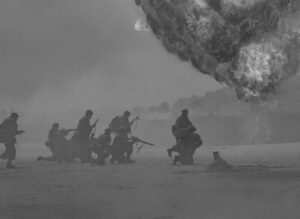

The ongoing conflict involving Iran has pushed the strategically vital Strait of Hormuz into the center of a growing global crisis. As military tensions escalate, fears are mounting that disruptions in this narrow waterway could trigger a massive shock to the world’s energy supply.
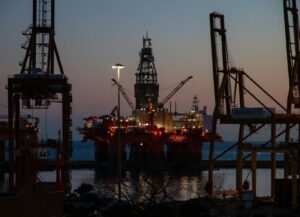
The Strait of Hormuz is one of the most important oil transit routes in the world, with nearly 20% of global crude oil passing through it daily. Any blockage or sustained threat to shipping lanes here could severely impact major economies, including India, China, Japan, and countries across Europe.
In recent days, multiple incidents have heightened concerns. Reports of drone attacks on oil tankers, naval skirmishes, and increased military patrols have made the region increasingly volatile. Shipping companies are now reconsidering routes, with some vessels delaying or diverting journeys to avoid potential threats.
Military analysts warn that even a temporary closure of the strait could send oil prices skyrocketing. Insurance premiums for ships passing through the area have already surged, reflecting the growing risks. Global markets have responded nervously, with oil prices showing sharp fluctuations amid uncertainty.
The United Nations has called for immediate de-escalation, urging all parties to ensure the safety of international shipping lanes. Meanwhile, global powers including the United States, China, and European nations are closely monitoring the situation, with some deploying additional naval assets to safeguard trade routes.
The White House has indicated that ensuring the free flow of oil through the strait remains a top priority. However, officials have also acknowledged that the situation is becoming increasingly difficult to manage as the conflict widens.
Energy experts warn that prolonged instability could lead to a ripple effect across global supply chains. Higher fuel costs may result in increased transportation expenses, rising inflation, and slower economic growth worldwide. Developing countries, in particular, could face severe economic strain.
Diplomatic efforts are underway to prevent further escalation. Nations like China and regional stakeholders are reportedly exploring ceasefire proposals aimed at stabilizing the situation and reopening secure shipping corridors. However, with tensions still high, a resolution appears distant.
As the crisis deepens, the Strait of Hormuz has become more than just a geographic chokepoint—it is now a symbol of the fragile balance between global energy security and geopolitical conflict.