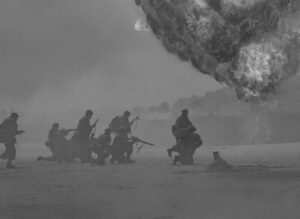

Tensions surrounding Strait of Hormuz have once again raised global alarm, as escalating geopolitical friction involving Iran threatens to disrupt one of the world’s most critical oil transit routes. Analysts warn that any military confrontation in the region could trigger severe consequences for global energy markets and economic stability.
Why the Strait of Hormuz Matters
The Strait of Hormuz is a narrow maritime passage connecting the Persian Gulf to the Arabian Sea. It is widely regarded as the world’s most vital oil chokepoint, with a significant portion of global crude oil passing through it daily.
Key Facts About the Strait of Hormuz
| Factor | Details |
|---|---|
| Daily Oil Flow | ~20 million barrels per day |
| Global Share | ~20% of world oil supply |
| Key Exporters | Saudi Arabia, UAE, Iraq, Kuwait |
| Strategic Importance | Primary route for Gulf oil exports |
Any disruption—whether due to naval blockades, military strikes, or political escalation—can instantly spike oil prices worldwide.
What’s Driving the Current Tensions?
Recent developments suggest increased friction between Iran and Western powers, particularly involving maritime security and regional influence. Reports indicate heightened naval activity and warnings issued by Iranian authorities about potential restrictions in the strait.
The situation is further complicated by ongoing conflicts in the Middle East and strained diplomatic relations. Military analysts believe even a limited confrontation could lead to insurance costs for oil tankers skyrocketing, discouraging shipping through the region.
Potential Global Impact
If tensions escalate into a full-scale conflict, the consequences could ripple across multiple sectors:
- Oil Prices Surge: Even minor disruptions could push crude prices above $100 per barrel.
- Inflation Rise: Higher fuel costs would impact transportation, food, and manufacturing globally.
- Stock Market Volatility: Energy-dependent economies may face sharp fluctuations.
- Supply Chain Disruptions: Shipping delays could affect global trade flows.
How Countries Are Preparing
Major oil-importing nations, including India and China, are closely monitoring the situation. Strategic petroleum reserves may be used to cushion short-term shocks, while alternative supply routes are also being considered.
Meanwhile, global powers are urging diplomatic solutions to prevent escalation. The presence of international naval forces in the region aims to ensure freedom of navigation, but risks remain high.