
Iran has escalated tensions in the Middle East by asserting control over the Strait of Hormuz, a vital waterway through which nearly one-fifth of the world’s oil supply passes. The move comes amid heightened geopolitical friction with the United States and Israel, with Iranian officials stating that the temporary restriction of naval traffic is a defensive measure against foreign interference in its domestic and regional affairs.
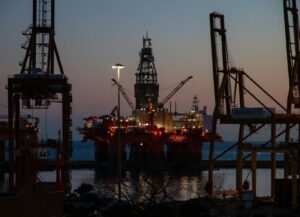
The Strait of Hormuz, located between Oman and Iran, is one of the world’s most strategically significant maritime chokepoints. Approximately 21 million barrels of oil transit the strait daily, making it a critical artery for global energy markets. Any disruption in shipping can send ripple effects through global oil prices and international trade, underscoring the economic stakes of Iran’s latest maneuvers.
According to Iranian military officials, the blockade is designed to showcase the country’s ability to defend its territorial waters and strategic interests. The Iranian government claims that continued sanctions and military posturing by the U.S. and its allies have left Tehran with limited options, forcing it to demonstrate its leverage in the region. “Our actions are a direct response to sustained economic and military pressure. We are committed to protecting our sovereignty and ensuring the security of our strategic waterways,” said a spokesperson for the Iranian Armed Forces.

International reactions have been swift. United Nations called for calm, emphasizing that the Strait of Hormuz is a critical international maritime corridor, and that freedom of navigation must be preserved to maintain global economic stability. Meanwhile, European Union officials expressed concern over escalating tensions, urging diplomatic dialogue between all parties involved.
The United States, which has maintained a naval presence in the Gulf for decades, warned that any interference with international shipping would have serious consequences. Pentagon officials have indicated that U.S. forces are monitoring Iranian movements closely and are ready to ensure that commercial vessels can transit safely. Analysts, however, caution that direct confrontation could trigger wider regional conflict, potentially affecting oil markets and economic stability worldwide.
Global oil traders have already responded to the uncertainty. Oil prices surged in early trading following reports of the blockade, reflecting fears of supply disruptions. Shipping companies are rerouting vessels when possible, and insurance premiums for maritime transit through the strait have increased significantly. The economic impact extends beyond energy, with international supply chains potentially facing delays and higher costs as freight and logistics are affected.
Iran’s strategy also highlights its broader regional ambitions. Experts note that by controlling the Strait of Hormuz, Tehran is signaling its strategic importance not only in energy security but also in geopolitics. The blockade serves as a bargaining tool in negotiations over sanctions relief, military de-escalation, and regional influence, particularly in the context of the ongoing U.S.–Iran tensions and Israel’s security concerns.
Diplomatic efforts remain ongoing, with multiple countries attempting to mediate a resolution. Reports indicate that India has offered to facilitate dialogue between Tehran and Washington, while several Gulf states are closely monitoring the situation to prevent escalation in their own territories. Despite these efforts, the potential for miscalculations or accidental military confrontations remains high, raising concerns for global security.
In conclusion, Iran’s actions in the Strait of Hormuz represent a complex blend of military strategy, political messaging, and economic leverage. While the immediate focus is on controlling the flow of maritime traffic, the broader implications touch upon international diplomacy, global energy markets, and regional security dynamics. As the situation develops, the world is watching closely to see whether diplomacy, deterrence, or confrontation will shape the future of this crucial maritime corridor.