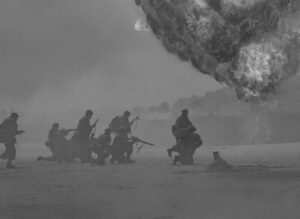

Tensions in the Middle East have escalated sharply after reports emerged that Iran launched a strike on a United States airbase in Saudi Arabia, allegedly destroying a high-value E-3 Sentry Airborne Warning and Control System (AWACS) aircraft. The development, if confirmed, marks a significant escalation in the ongoing geopolitical confrontation between Iran and U.S.-allied forces in the region.
According to emerging reports, the targeted airbase was being used by U.S. forces for surveillance and strategic coordination across the Gulf region. The E-3 Sentry, a critical airborne radar system used for monitoring airspace and coordinating military operations, is considered one of the most important assets in modern aerial warfare.
Why the E-3 Sentry Matters
| Feature | Details |
|---|---|
| Role | Airborne early warning & control |
| Radar Range | Over 400 km |
| Function | Tracks aircraft, missiles, battlefield movement |
| Strategic Value | High — key for air dominance |
The destruction of such an aircraft would represent a major operational and financial loss, as each unit costs hundreds of millions of dollars and plays a vital role in detecting threats and managing air combat.
Rising Regional Tensions
The alleged strike comes amid increasing friction involving Iran, the United States, and regional allies. Recent weeks have seen heightened military activity, including naval deployments, air patrols, and warnings over strategic choke points like the Strait of Hormuz.
While Iranian officials have not yet officially confirmed the attack, sources suggest the strike could be part of a broader strategy to counter U.S. military presence in the Gulf. Meanwhile, U.S. defense authorities have not released a full statement but are reportedly assessing the damage and preparing a response.
Global Implications
This incident could have far-reaching consequences:
- Oil markets may react sharply due to fears of supply disruption
- Regional security risks increase, especially for Gulf nations
- Potential military retaliation could trigger a wider conflict
Defense analysts warn that targeting high-value surveillance aircraft indicates a shift toward more direct and technologically focused confrontation.
What Happens Next?
The coming days will be crucial in determining whether this incident leads to full-scale escalation or controlled diplomatic response. International observers, including the United Nations, are expected to call for restraint as global markets and security agencies monitor developments closely.
Source Google News